Drip irrigation winterization
Drip and micro-spray zones winterize differently from turf — lower pressure, filters and regulators removed, emitter lines cleared gently. Local, licensed & insured across the Triangle.
Drip irrigation winterization needs a lighter touch than turf
Drip irrigation winterization clears the beds, borders and tree rings that run on low-pressure tubing rather than pop-up heads. It is the part of a system most likely to be skipped, and the part most likely to be damaged by someone treating it like a lawn zone.
The difference is pressure. A turf zone is built for forty to sixty psi and a blow-out can be run accordingly. A drip zone runs behind a pressure regulator at a fraction of that, on thin poly tubing with press-fit barbed fittings and emitters with openings measured in fractions of a millimetre. Send turf-zone air down that and the fittings pop, the tubing balloons at the elbows, and the emitters that survive are the ones that were already blocked. The other half of the job is the hardware ahead of the zone: drip assemblies carry a filter and a pressure regulator, both of which hold water, and both of which are commonly mounted above ground or in a shallow box where they freeze. In our clay, beds also hold moisture far longer than turf does, so tubing buried under mulch is sitting in damp ground well into December.
We handle drip irrigation winterization for homeowners in Cary, Raleigh, Apex, Morrisville, Holly Springs, Fuquay-Varina and throughout Wake County — part of our winterization and spring startup service.
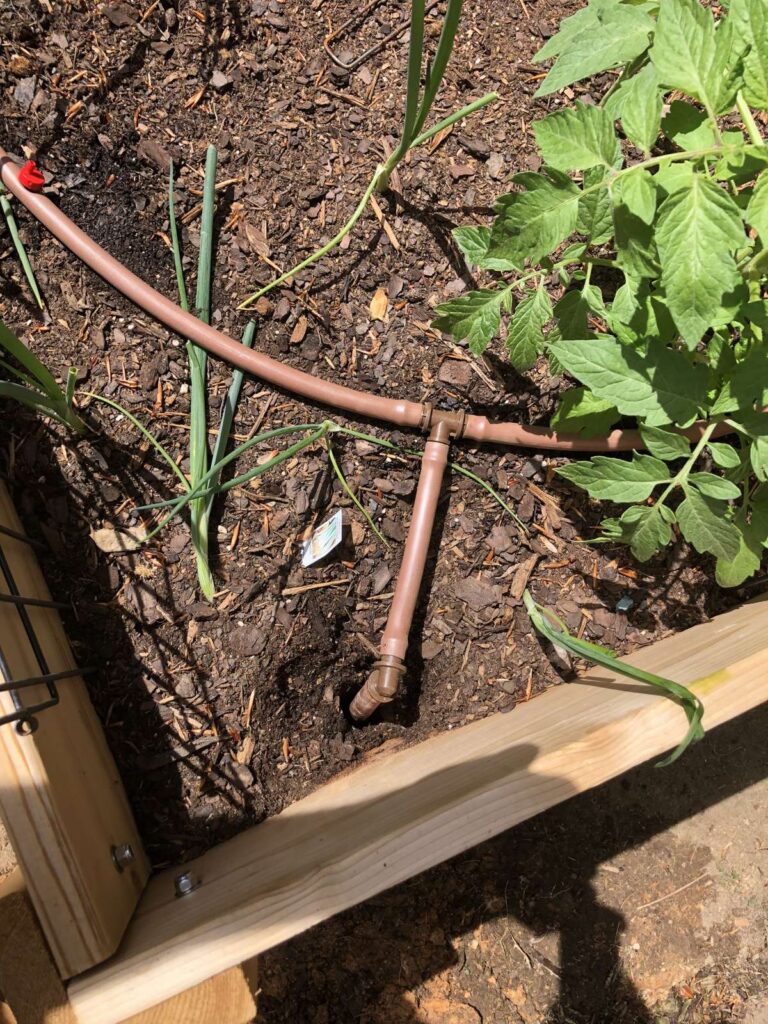
What drip winterization covers
Diagnosed right and fixed with genuine Hunter, Rain Bird & Toro parts.
Pressure dropped for the zone
Drip lines get cleared at a fraction of turf pressure. This is the single step that separates a drip zone that survives winter from one that is rebuilt in spring.
Filters pulled and cleaned
The inline filter holds water and traps a season of grit. We remove the screen, clean it, and leave the housing empty rather than letting it freeze full.
Pressure regulators drained
Regulators hold water internally and crack quietly. They are cheap to protect in November and annoying to diagnose in April, because a failed one looks like a blocked zone.
Emitter lines cleared gently
Tubing is cleared slowly so water leaves through the emitters instead of forcing fittings apart. Anything already weeping gets flagged while the bed is accessible.
End caps and flush points opened
Drip runs have flush ends for a reason. Opening them lets the line drain properly instead of relying on air alone to push water uphill through a bed.
Above-ground hardware protected
Manifolds, filters and regulators mounted at grade or on a riser get drained and, where sensible, insulated. Exposed plastic is as vulnerable as exposed brass.
Signs your drip zones need attention
- Beds, borders or tree rings run on tubing rather than pop-up heads
- There is a filter and regulator on the line ahead of the zone
- Tubing runs under mulch, which stays damp long after turf dries
- Emitters ran unevenly at the end of last season
- The drip zone was skipped during last year’s blow-out
How the work happens, step by step
No mystery, no runaround — here’s the order we work in.
Identify every drip zone
Drip zones are easy to miss because they make no visible spray. We confirm which zones are drip before any air goes anywhere near them.
Isolate and depressurise
The zone is isolated and pressure released gently, then the filter and regulator are dealt with before the tubing itself.
Clear at drip pressure
Air goes in low and slow, with flush points opened so water leaves through the ends and the emitters rather than through a fitting that gives way.
Protect and note
Hardware is drained and covered where it helps, and we tell you about any emitter or fitting that should be replaced before next season.
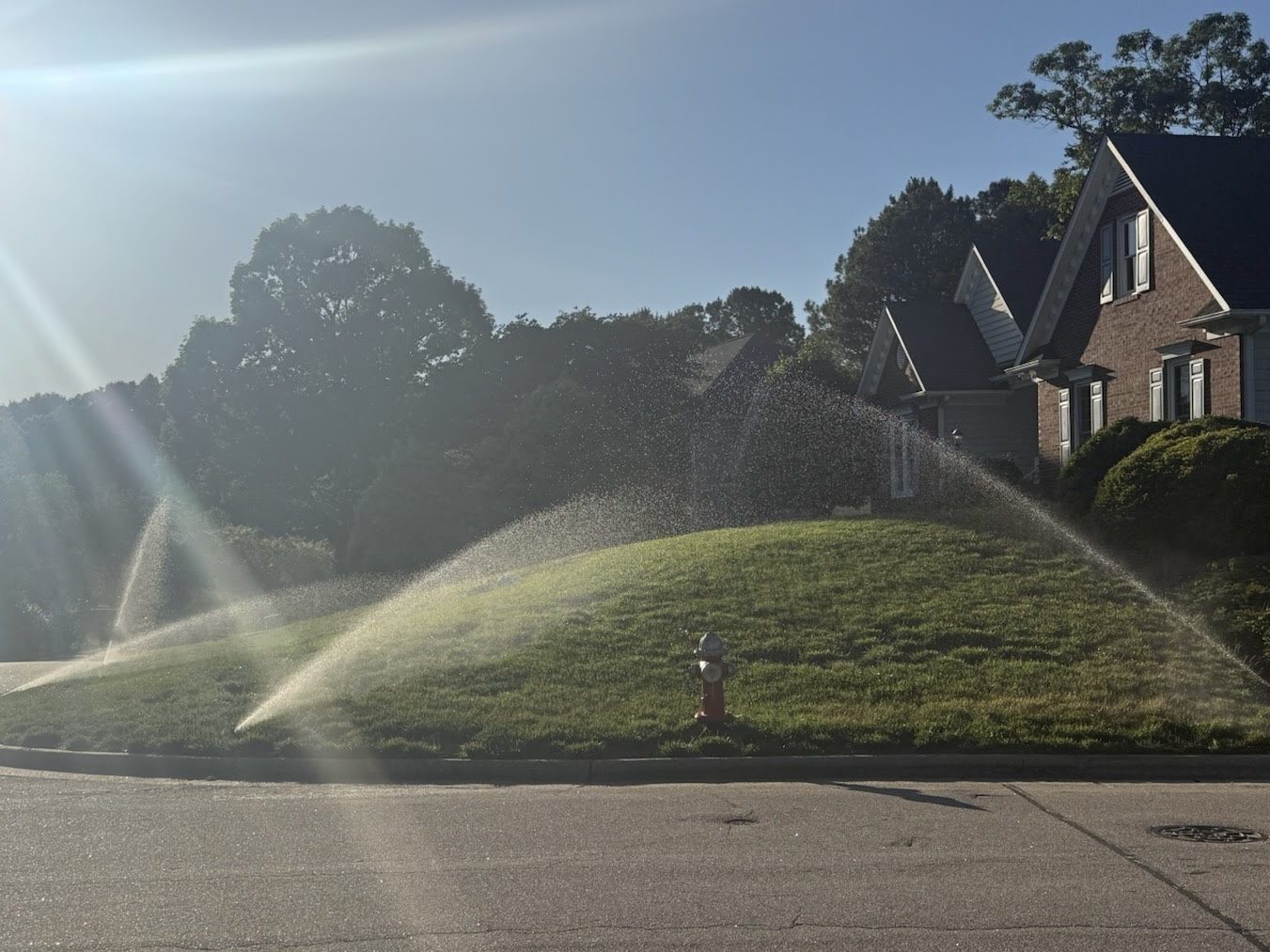
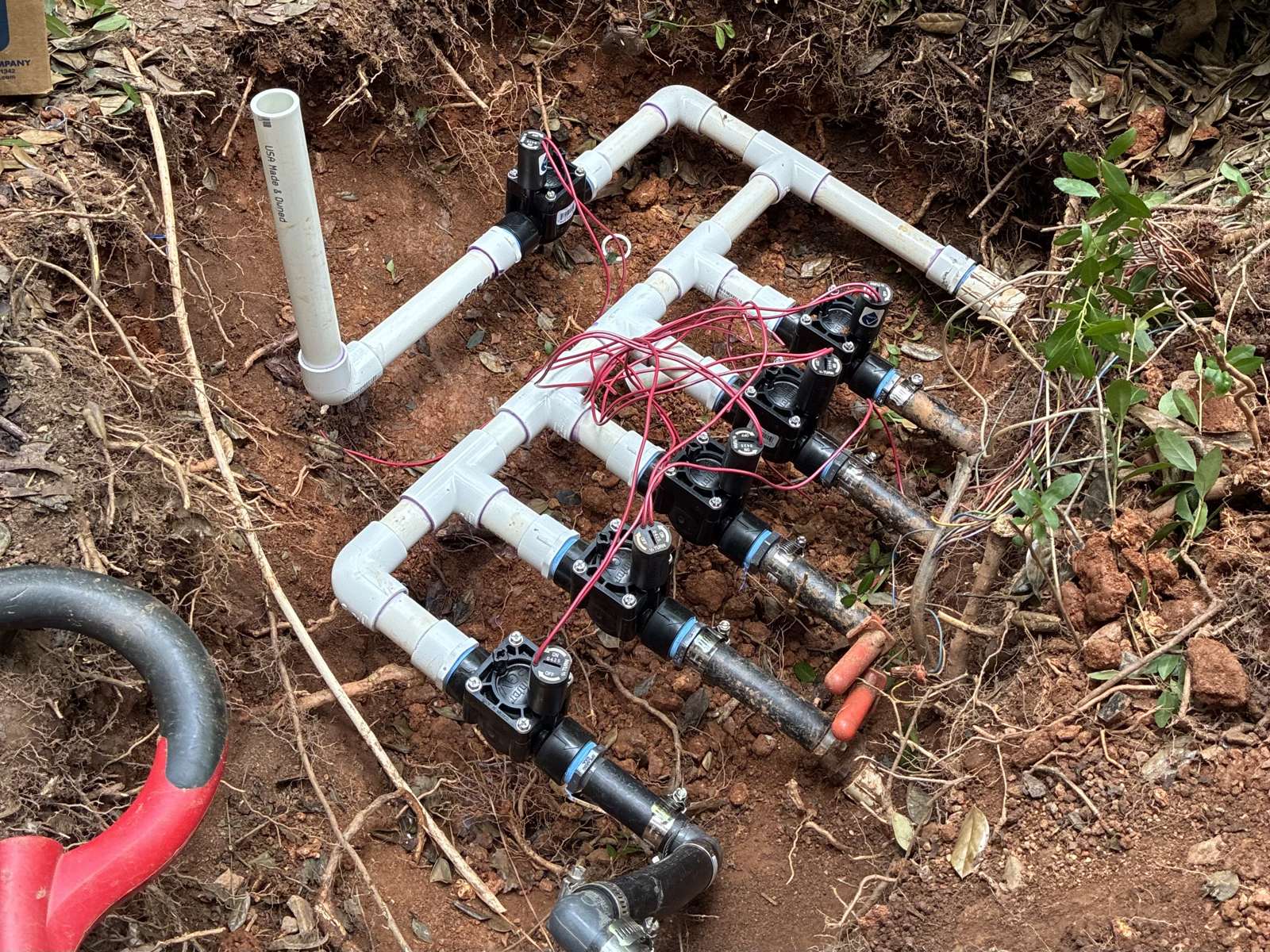
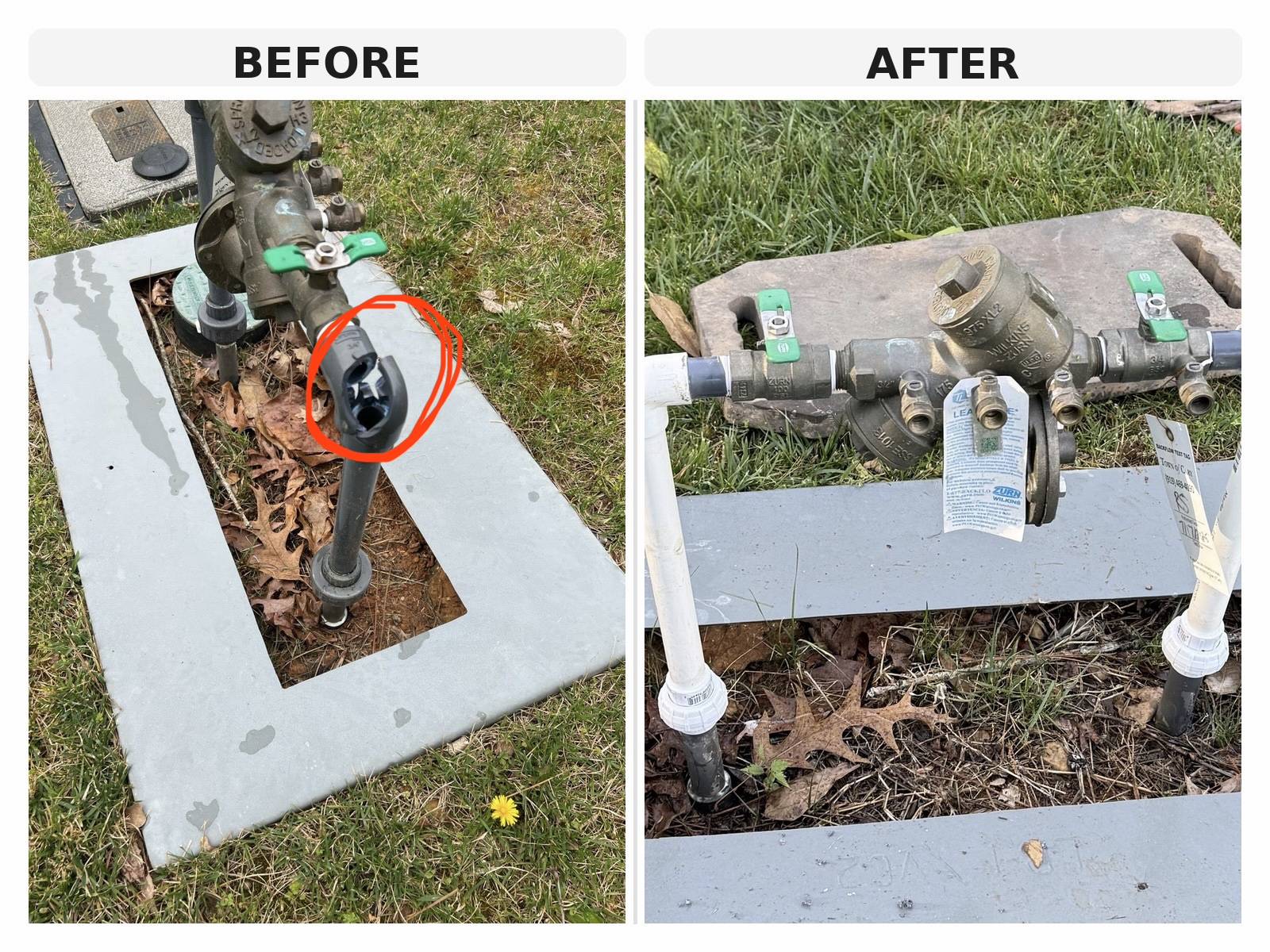
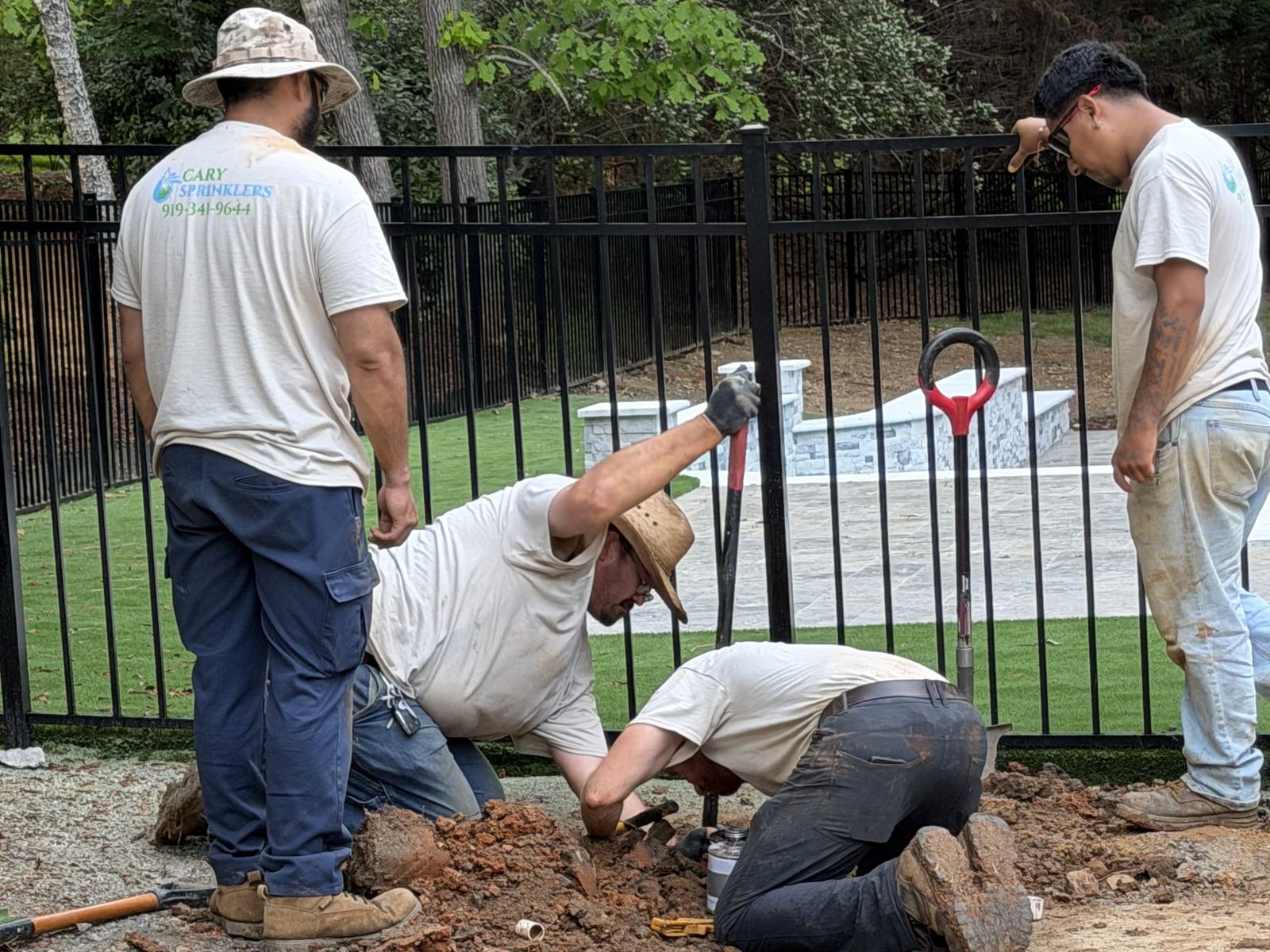
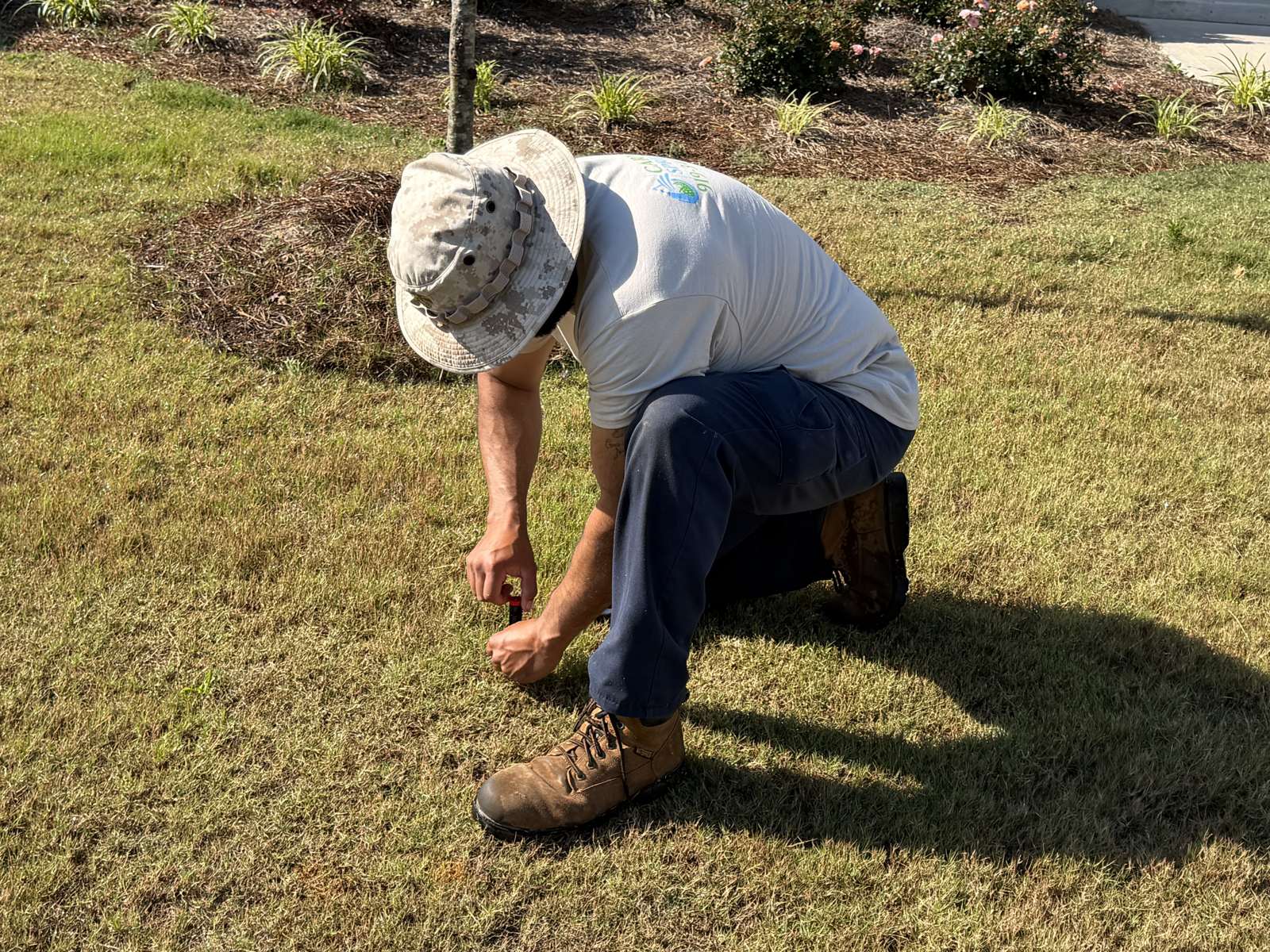
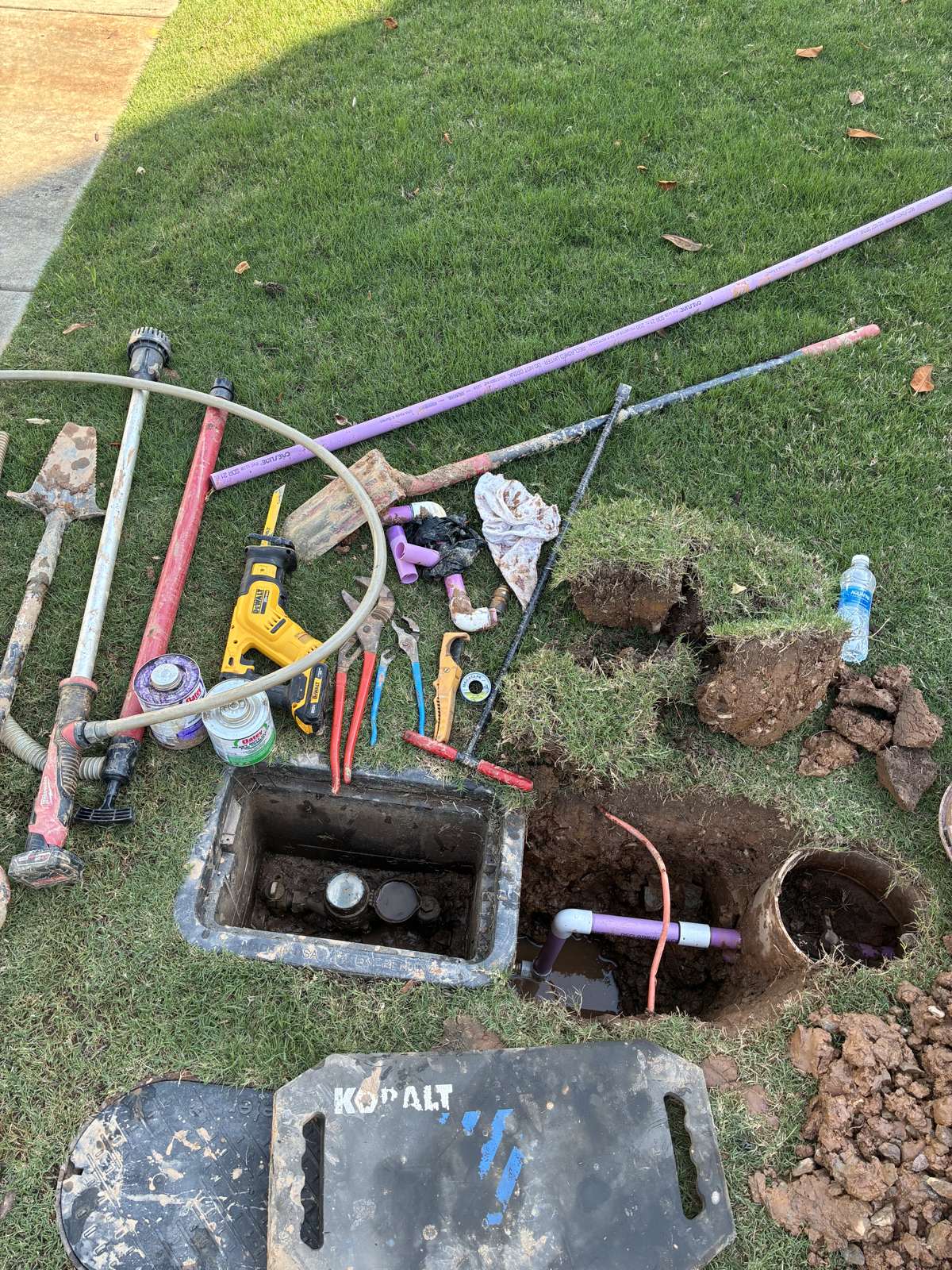
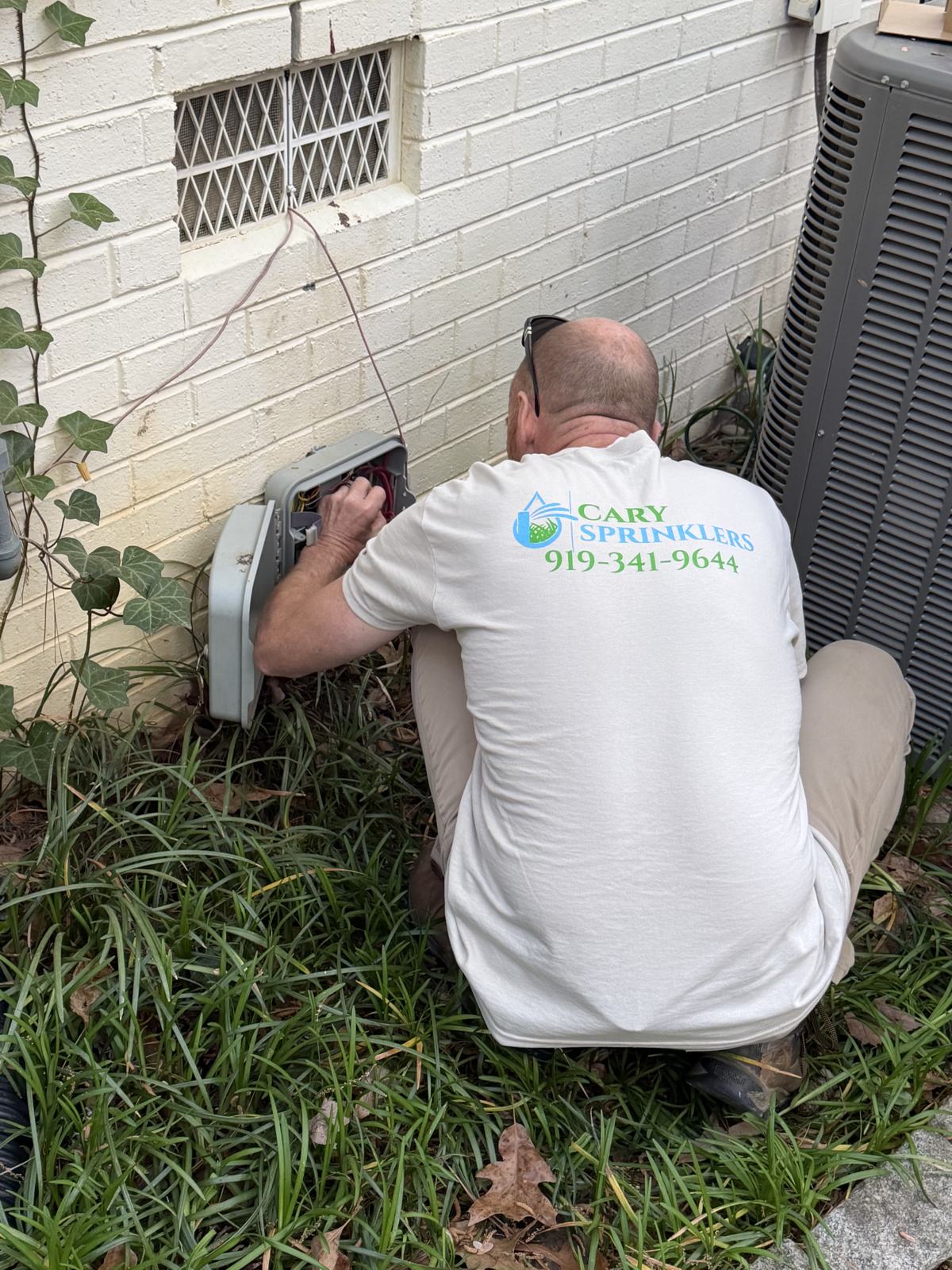
Recent work around the Triangle
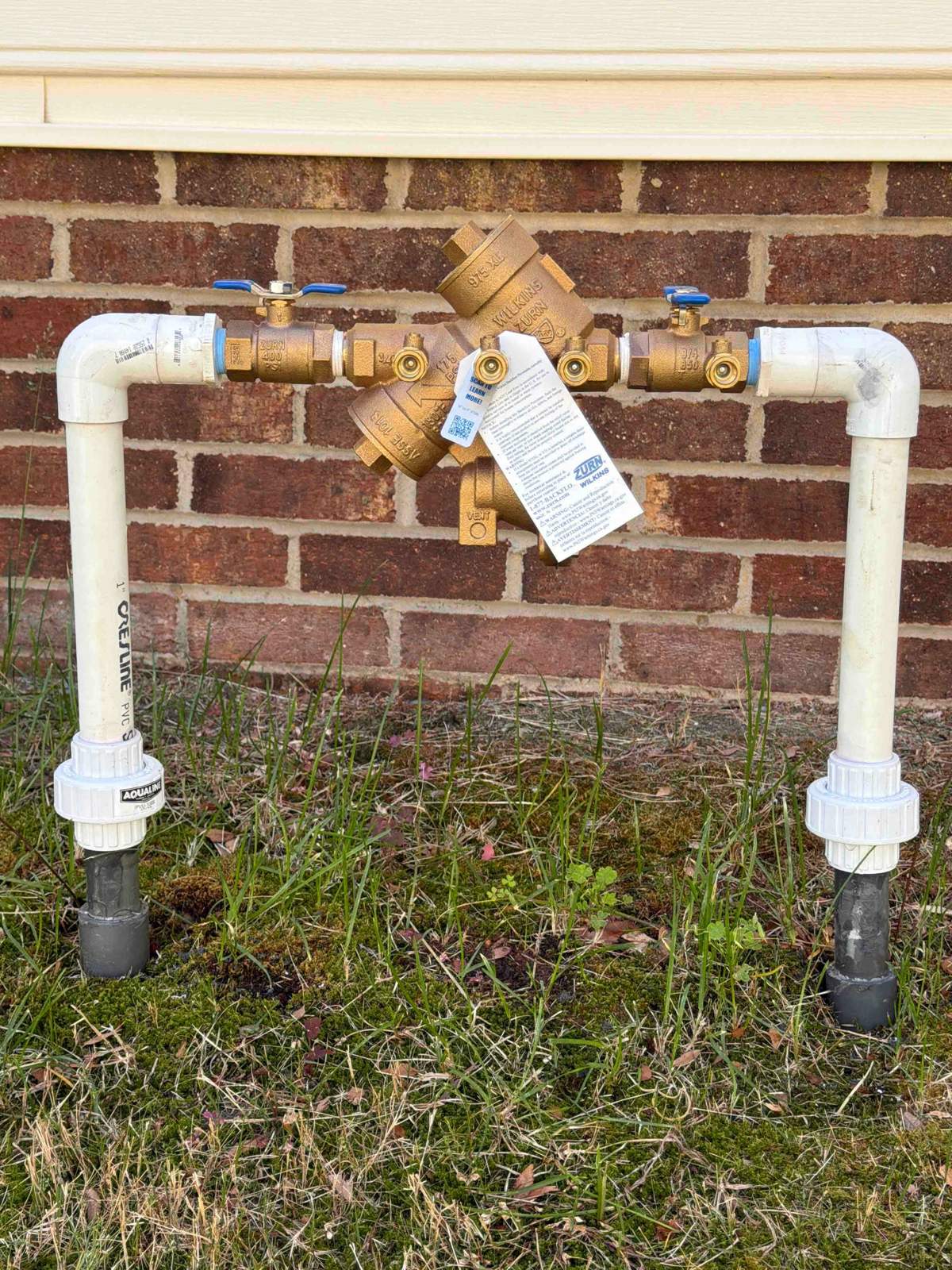
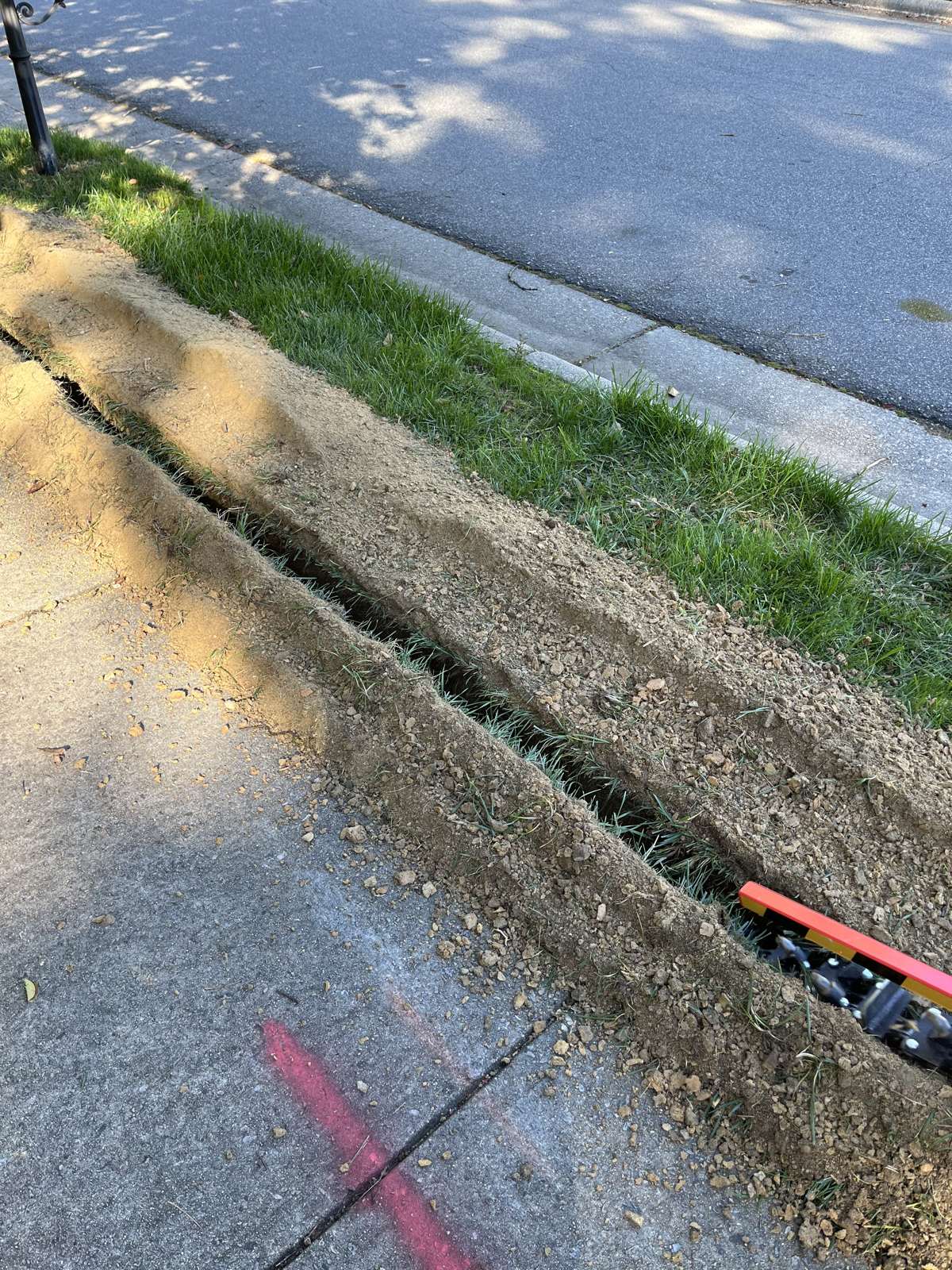
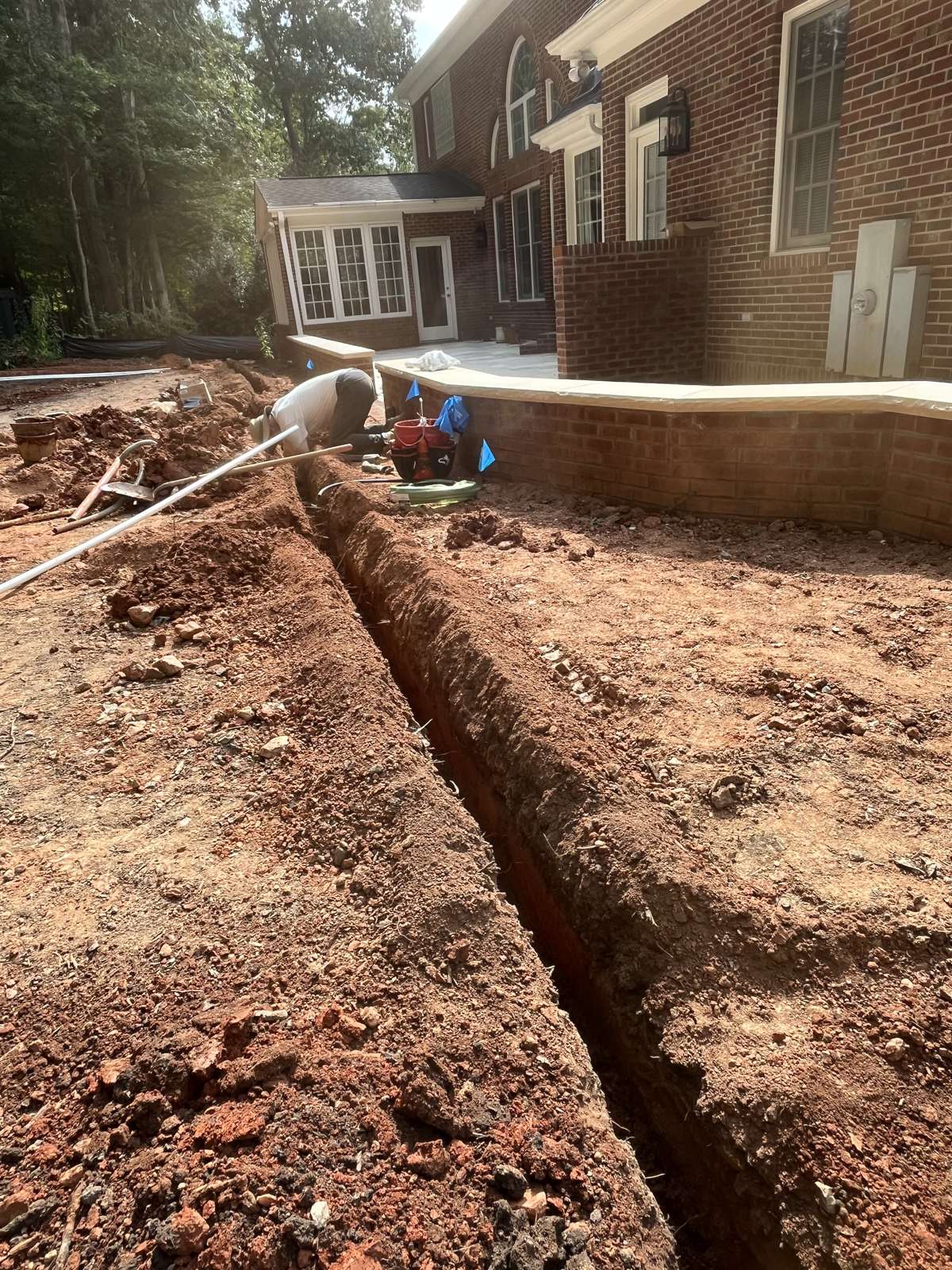
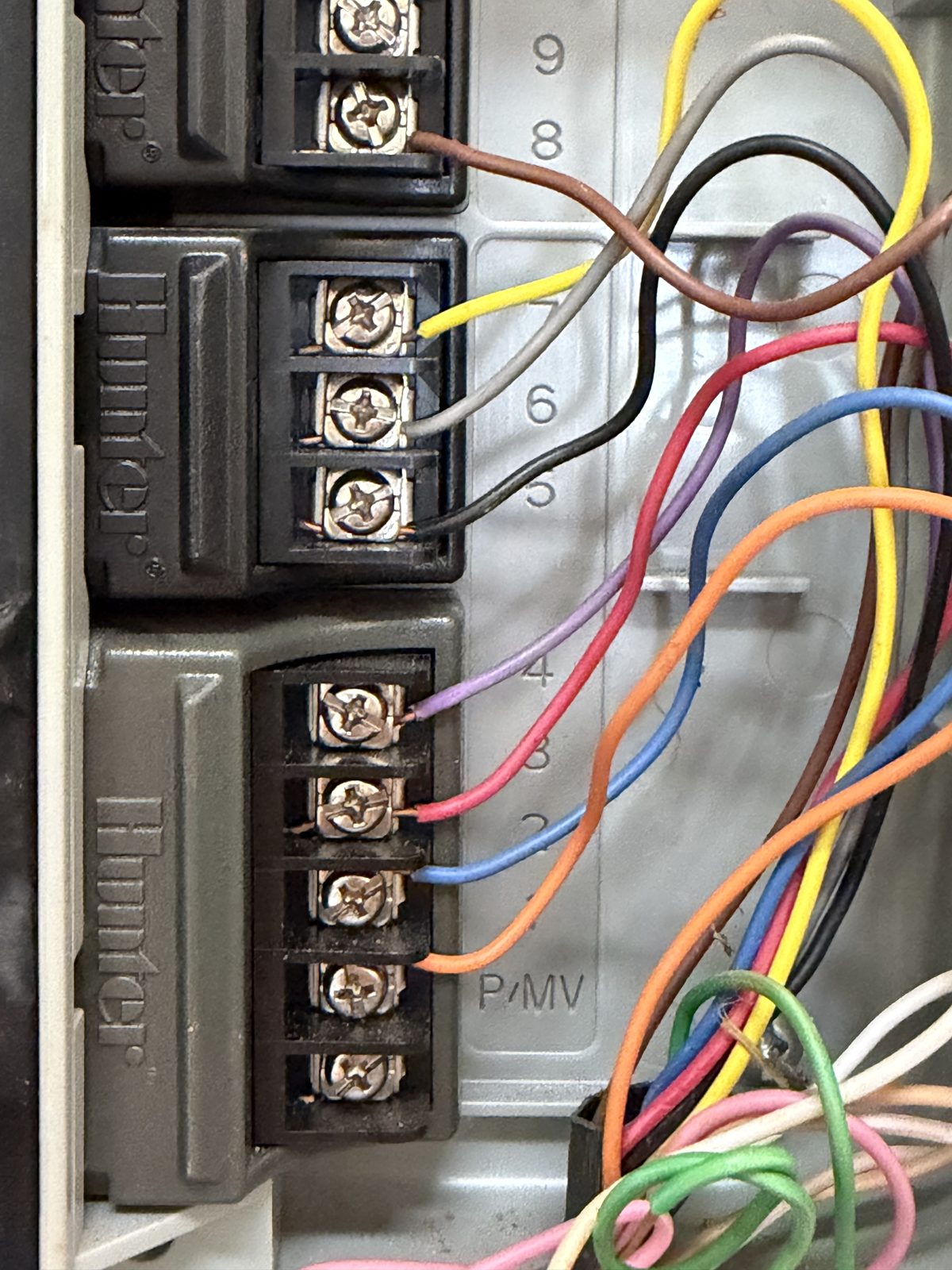
What our Triangle neighbors say




Why homeowners choose us
We treat drip as its own zone
Drip gets cleared separately at its own pressure, every time. Running beds at turf settings is the most common way a well-meaning blow-out causes damage.
Careful in the beds
Working around established planting takes patience. We clear the lines without trampling what you spent the season growing.
Honest about what to replace
Emitters and fittings are inexpensive, and telling you in November beats you finding out in May. Upfront pricing, guaranteed work, 12-month workmanship warranty.
Drip irrigation winterization in Cary, Raleigh & the whole Triangle
We winterize drip and micro-spray zones across the Triangle, usually on the same visit as the rest of the system. Choose your town for local details: Cary · Raleigh · Apex · Morrisville · Holly Springs · Fuquay-Varina.
Related services we handle on the same visit: sprinkler blow-out · irrigation pressure regulation · spring sprinkler startup.
Drip irrigation winterization FAQ
Does drip irrigation really need winterizing?
Yes. Thin poly tubing splits as readily as pipe, and the filter and pressure regulator ahead of the zone both hold water. The tubing is also usually shallower than turf lines, sitting just under mulch.
Can drip be blown out at the same pressure as turf zones?
No, and this is the important part. Turf-zone pressure pops barbed fittings, balloons tubing at the elbows and damages emitters. Drip needs a much lower setting and a slower pass.
What about the filter and pressure regulator?
Both hold water and both should be dealt with. We clean the filter screen and leave the housing empty, and drain the regulator rather than leaving it full over the winter.
Will you have to walk through my beds?
We work from the edges wherever possible and take care around established planting. Clearing drip properly does need access to the flush points, which are usually at the ends of the runs.
Do you offer drip irrigation winterization near me?
If you are in Cary, Raleigh, Apex, Morrisville, Holly Springs, Fuquay-Varina or anywhere in Wake County, we cover your area. Call or text 919-341-9644.
Get your free quote
Tell us what’s going on and we’ll get right back to you — usually the same day. Prefer to talk? Call or text 919-341-9644.
- Local, licensed & insured
- Upfront pricing — no surprises
- 100% guarantee + 12-month workmanship warranty
Beds on drip? Do not skip them.
Cleared at the right pressure, with the filter and regulator protected. Call or text 919-341-9644.