Rain sensor installation
A rain sensor stops your system watering during and after a downpour, which in a Triangle summer is most of the water you are currently wasting. Local, licensed & insured across the Triangle.
Rain sensor installation, placed where it will actually work
Rain sensor installation adds the one component that lets an irrigation system respond to the weather instead of ignoring it. It is a small device and an inexpensive visit, and on a Triangle property it usually pays for itself inside a season or two.
The reason it matters here is our rainfall pattern. The Triangle gets a good amount of summer rain and it arrives in bursts — an inch in an afternoon thunderstorm, then nothing for ten days. A controller with no sensor runs its schedule straight through the storm and again the following morning, watering ground that is already saturated. In our clay that is worse than merely wasteful: saturated clay sheds the extra rather than absorbing it, so the water runs off into the street, and roots that never dry out are the ones that rot. Placement is where most installations go wrong. A sensor tucked under an eave stays dry through a downpour and never trips; a sensor in a gutter line trips in a heavy dew and leaves your lawn off for days. It needs open sky, the same exposure as the lawn it protects, and a mounting height where nobody catches it with a ladder.
We install rain sensors for homeowners in Cary, Raleigh, Apex, Morrisville, Holly Springs, Fuquay-Varina and throughout Wake County — part of our smart controller installation service.
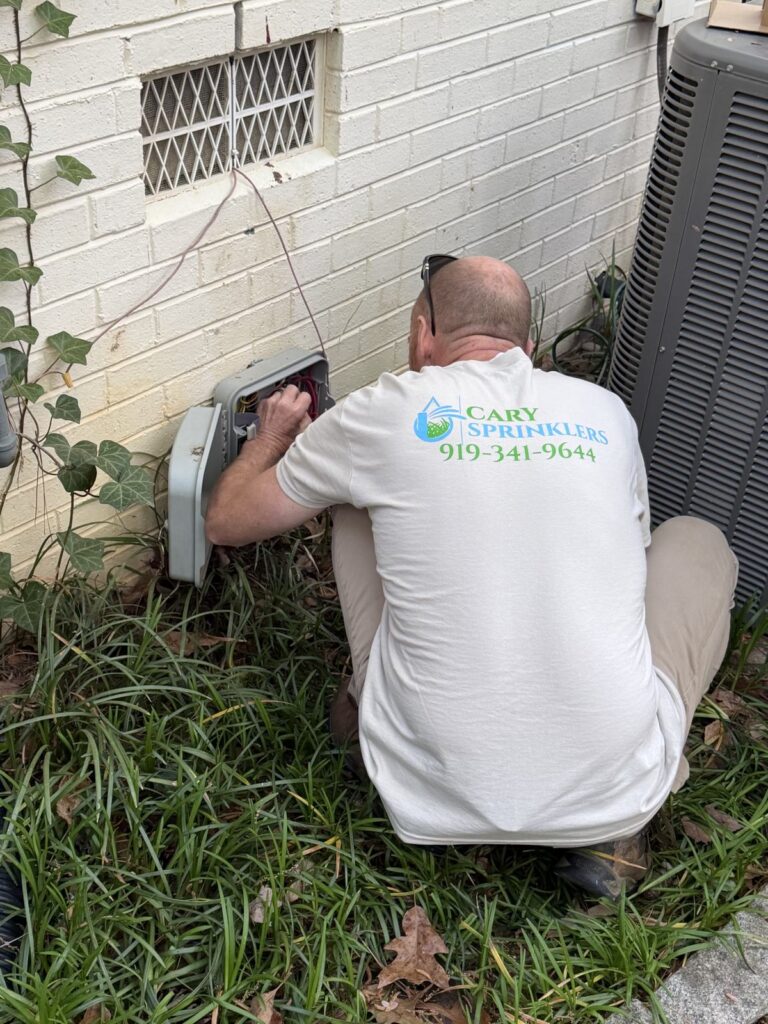
What rain sensor installation involves
Diagnosed right and fixed with genuine Hunter, Rain Bird & Toro parts.
Choosing the right sensor
Expanding-disc sensors are simple and reliable; electronic and soil-moisture sensors give finer control and suit a smart controller. We match the sensor to the controller you already have.
Placement with open sky
The sensor goes where rain actually reaches it and where it dries at the same rate as the lawn. Under an eave or below a gutter line are the two placements that guarantee it will not work.
Wired or wireless
Wired sensors are cheaper and never need a battery; wireless suits properties where running a wire to open sky is awkward. Either lands correctly at the controller’s sensor terminals.
Set to a sensible threshold
Most sensors let you set the rainfall that triggers a shutdown. Too low and you never water in summer; too high and it may as well not be there. We set it for Triangle rainfall and explain it.
Bypass you can actually find
Every controller has a way to override the sensor for testing or a dry spell. We show you where it is, because a sensor nobody can bypass gets ripped off the wall eventually.
Tested before we leave
We trip the sensor deliberately and confirm the controller responds, then reset it. An untested sensor is an assumption, not an installation.
Signs you need a rain sensor
- Your system runs during or right after a thunderstorm
- You find yourself switching the controller off manually when rain is forecast
- Water runs off into the street rather than soaking in
- The controller is a smart unit but has no sensor connected
- Your existing sensor has never once stopped a cycle
How the work happens, step by step
No mystery, no runaround — here’s the order we work in.
Check the controller’s sensor input
Nearly every controller made in the last twenty years has sensor terminals, often with a jumper across them. We confirm yours and what it will accept.
Find the right mounting point
We look for open sky with the same exposure as the lawn, clear of gutters, eaves and overhanging branches, and out of the way of ladders and mowers.
Mount and wire
The sensor is mounted level and secure, the wire routed neatly, and the jumper removed so the controller reads the sensor rather than ignoring it.
Set, test and explain
We set the threshold, trip the sensor to prove the shutdown works, then walk you through the bypass so you are in control of it.
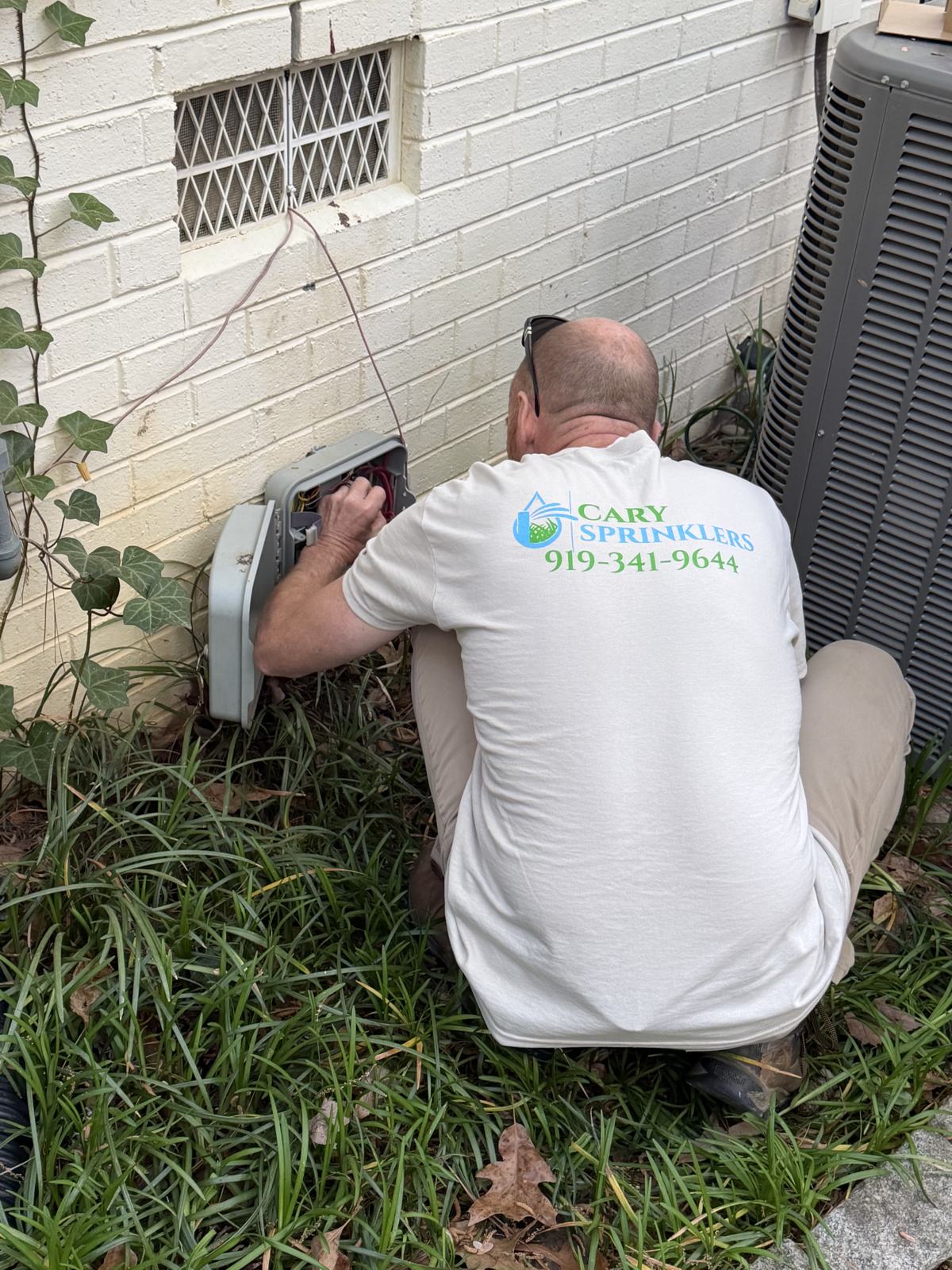
Recent work around the Triangle
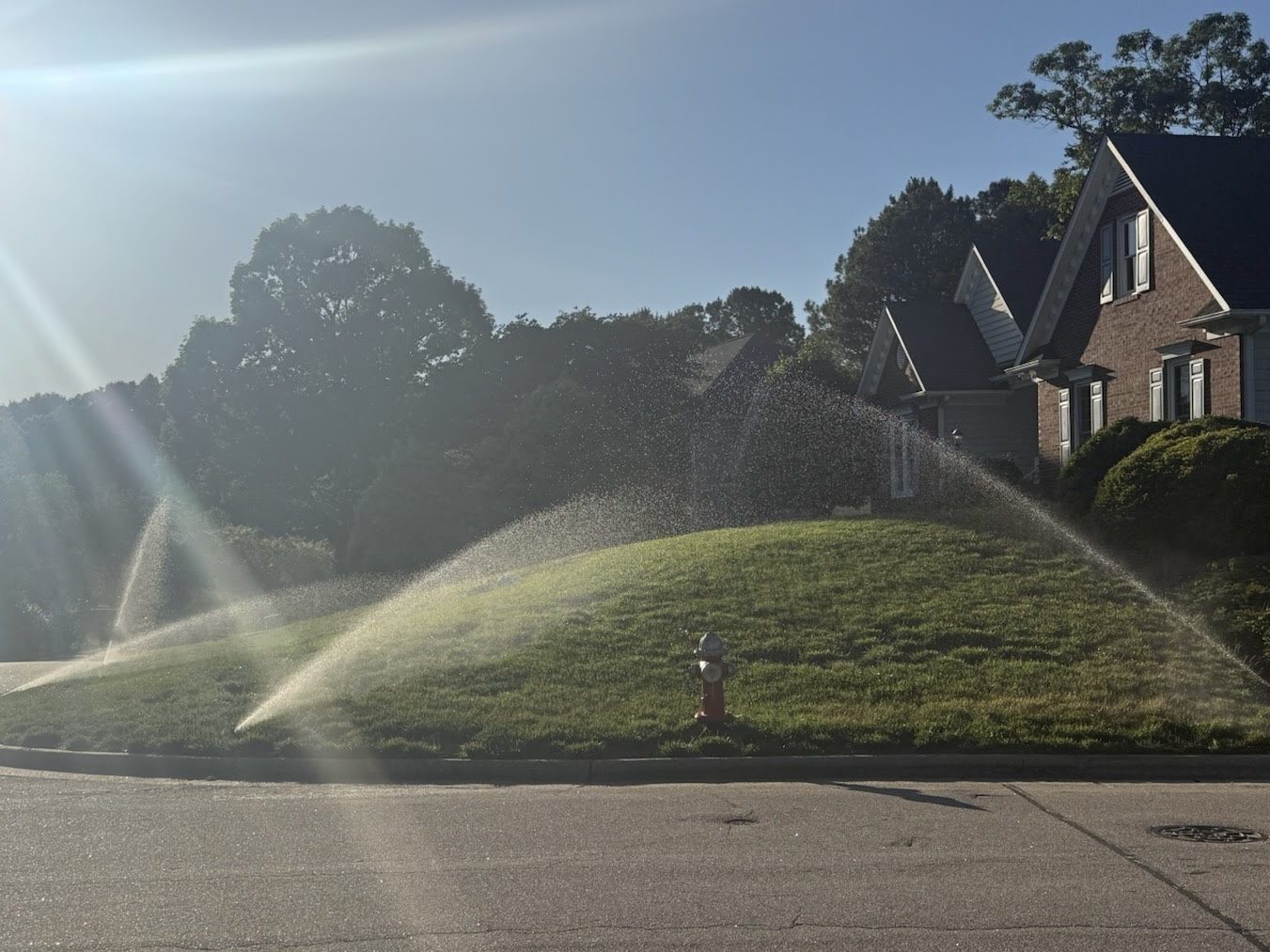
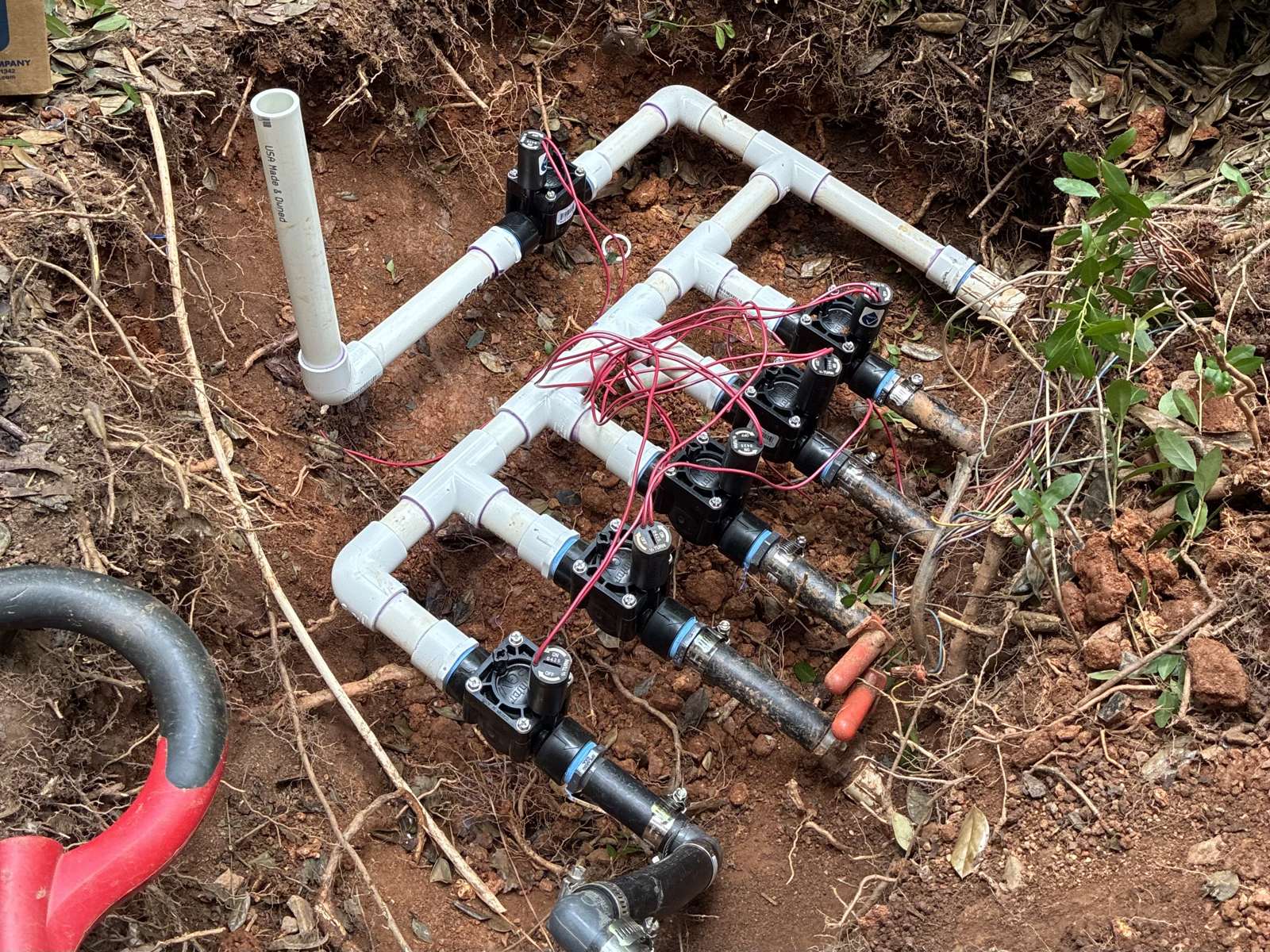
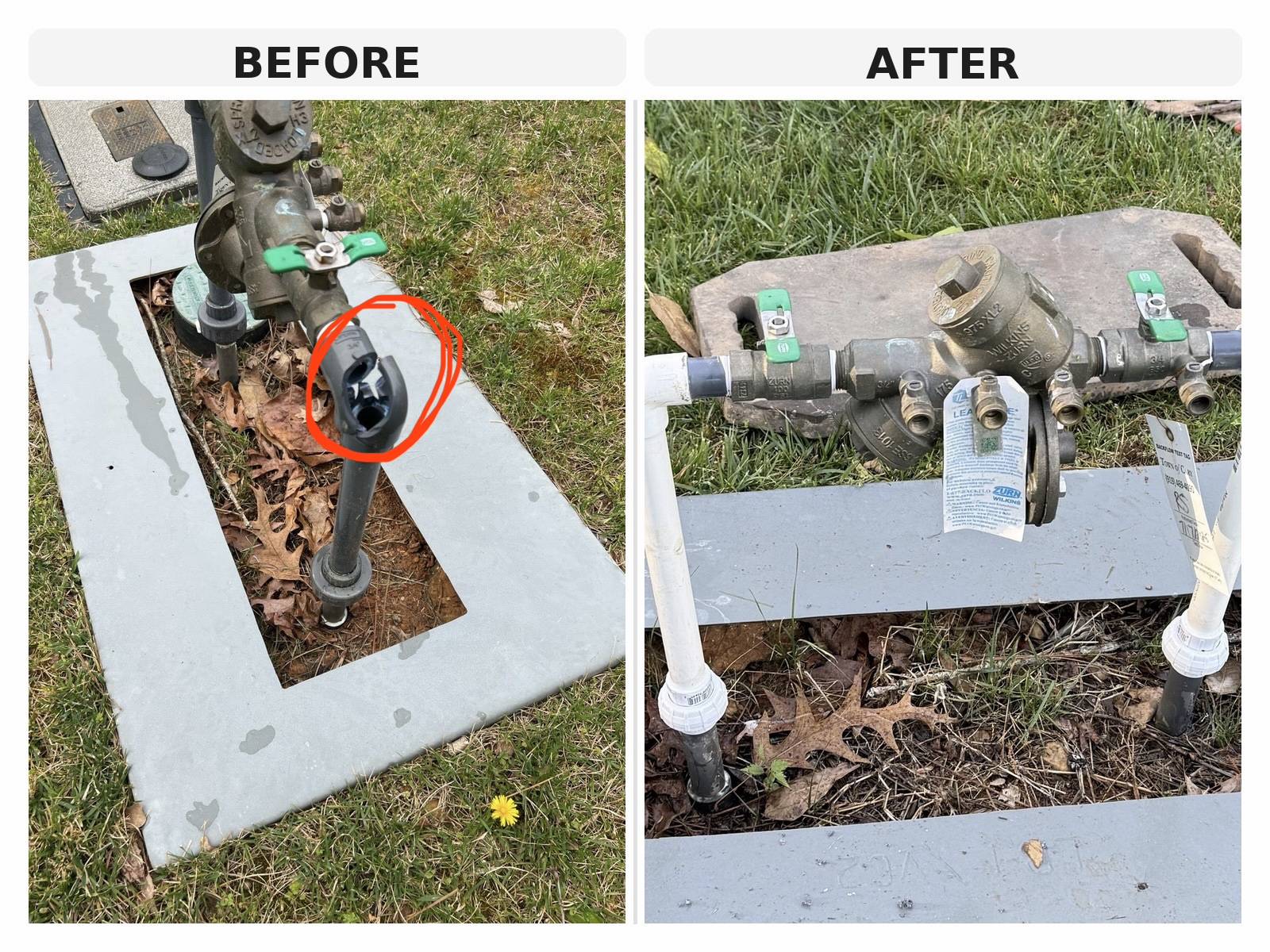
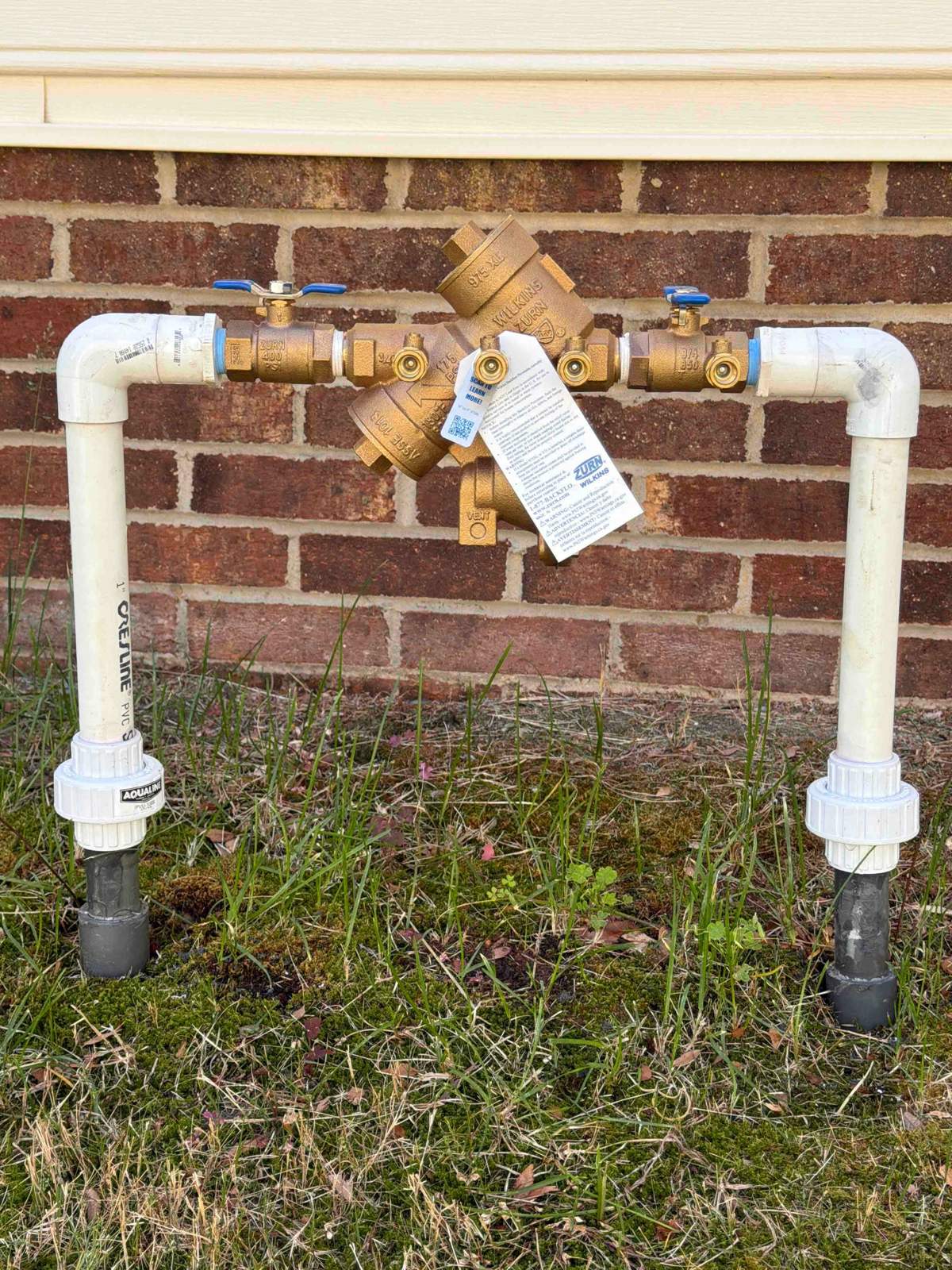
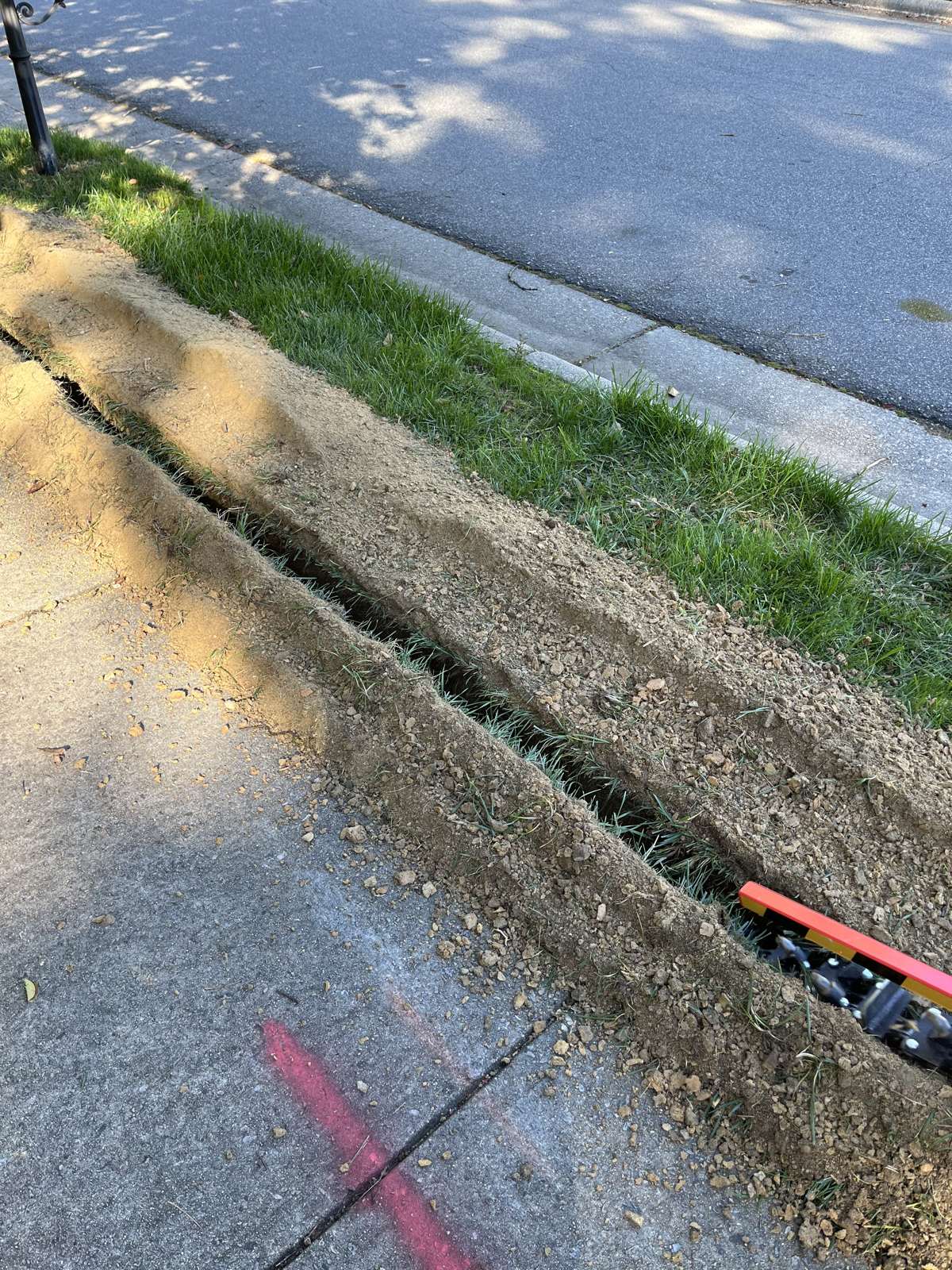
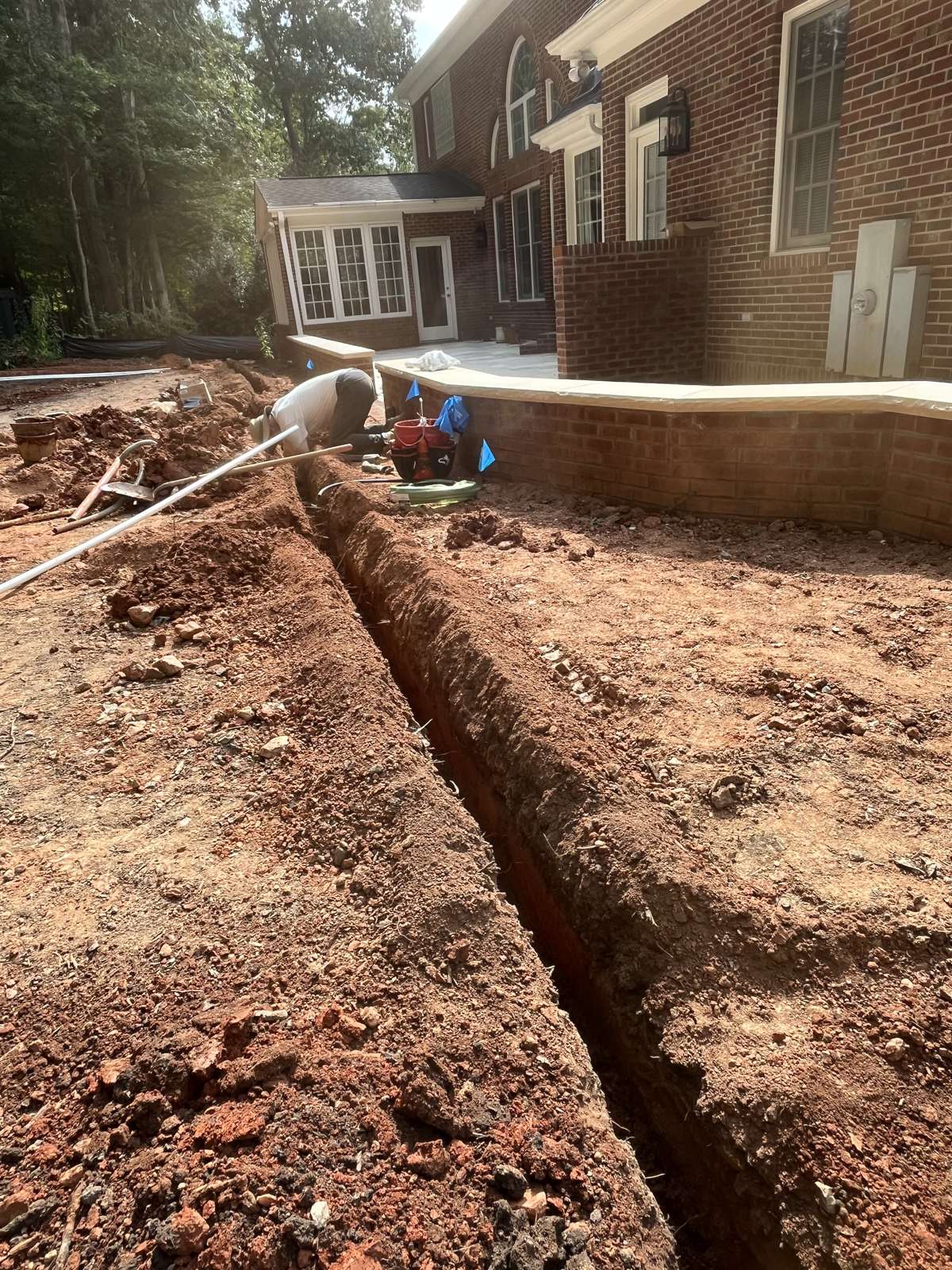
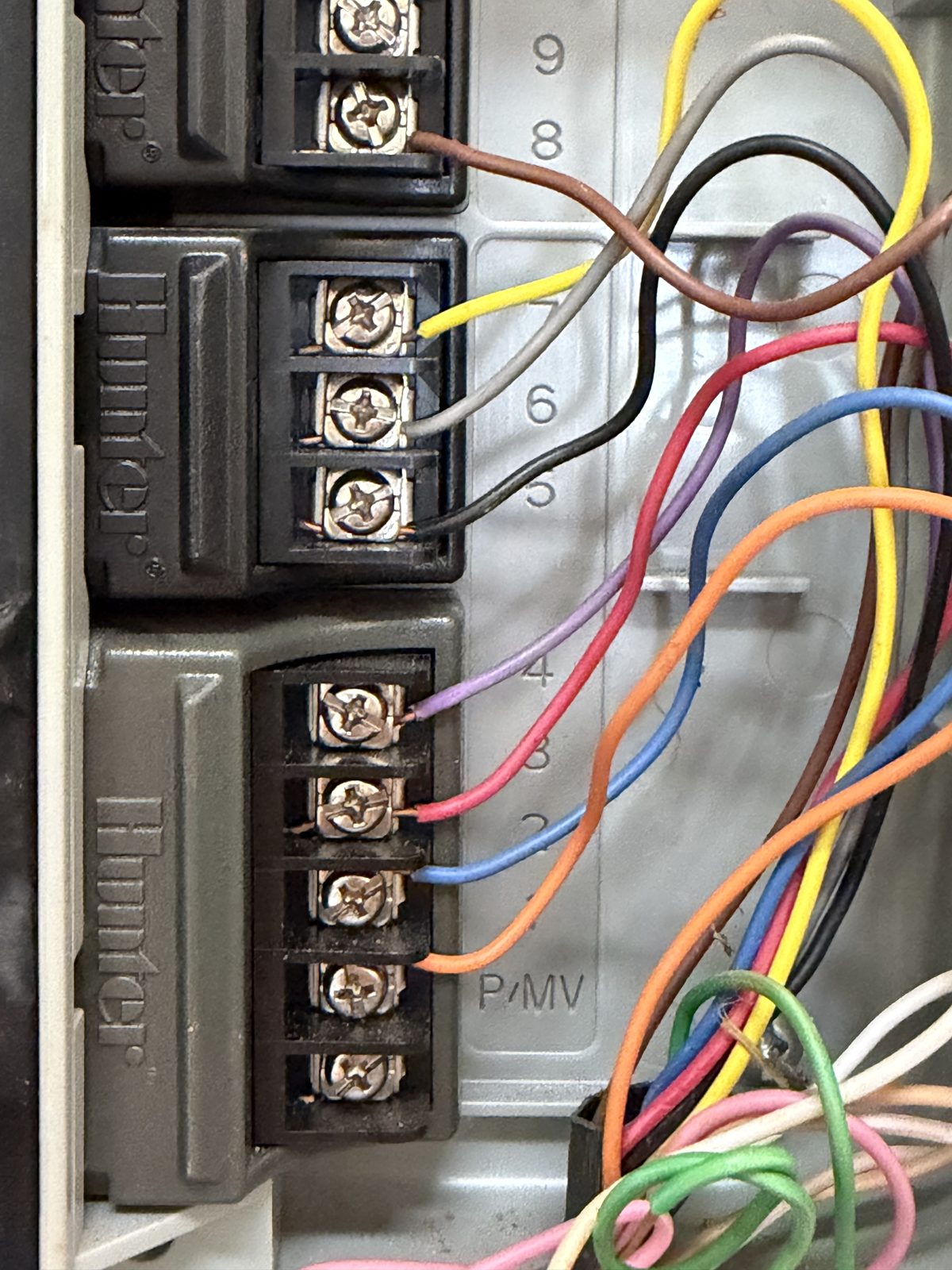
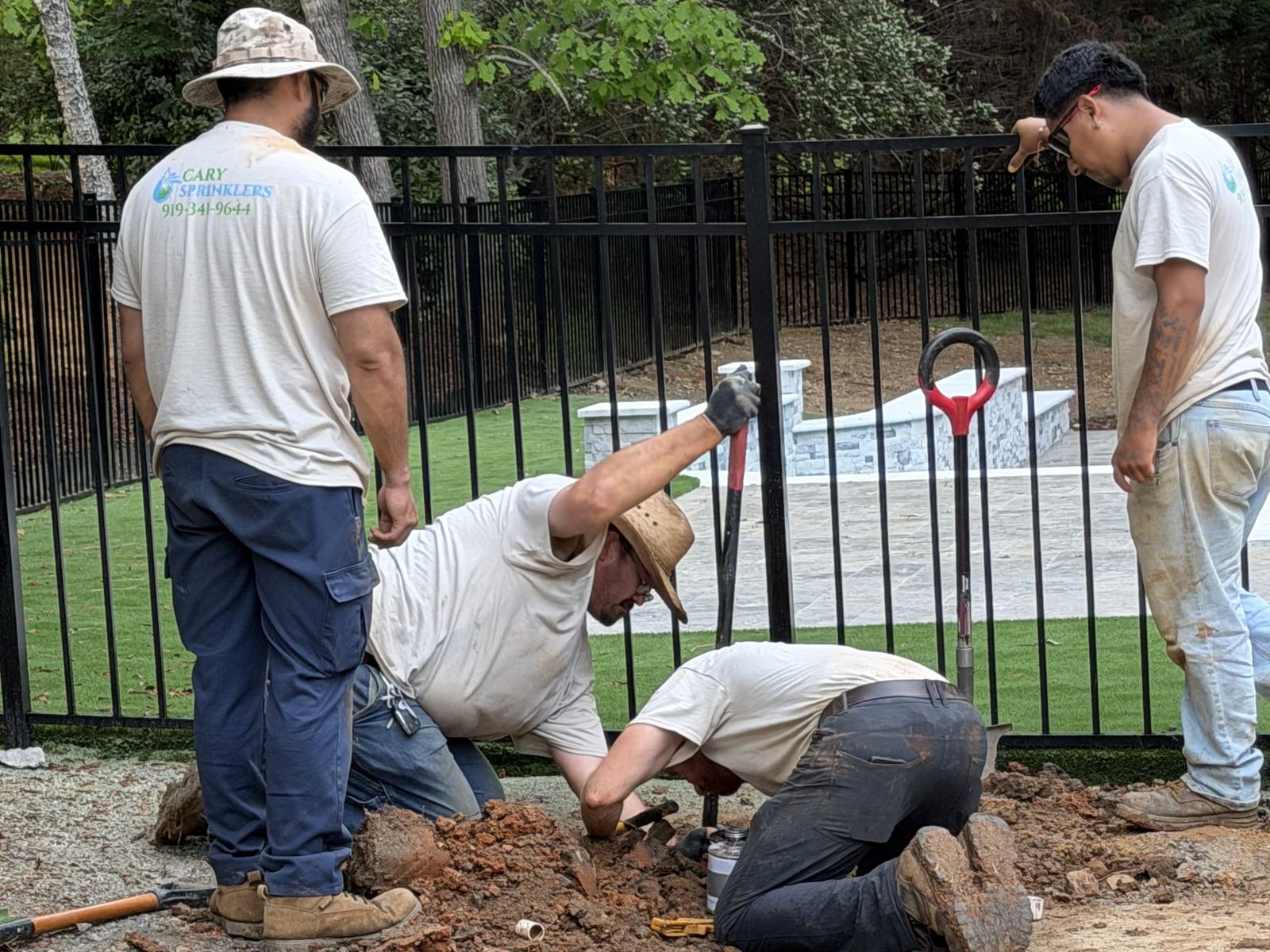
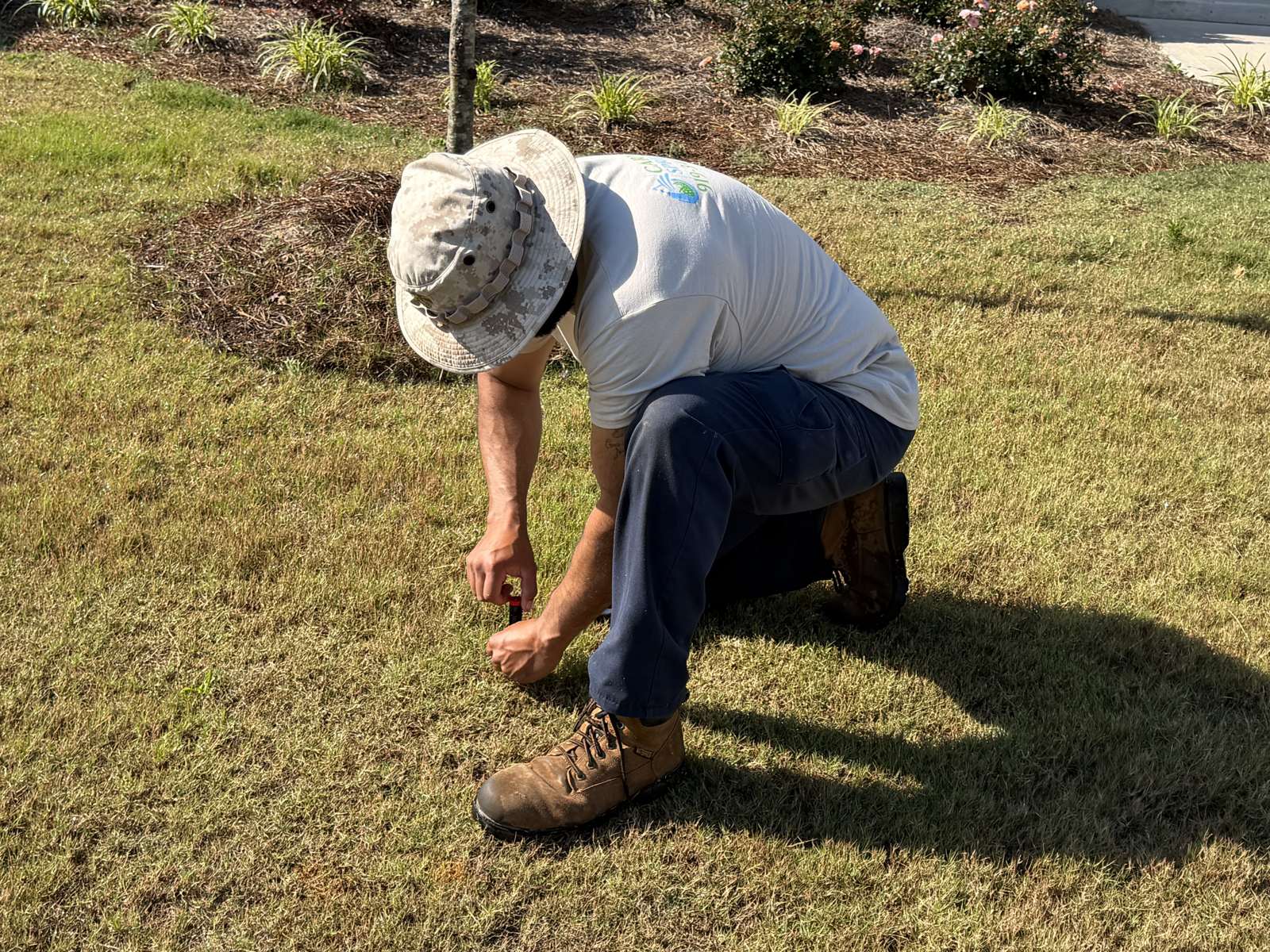
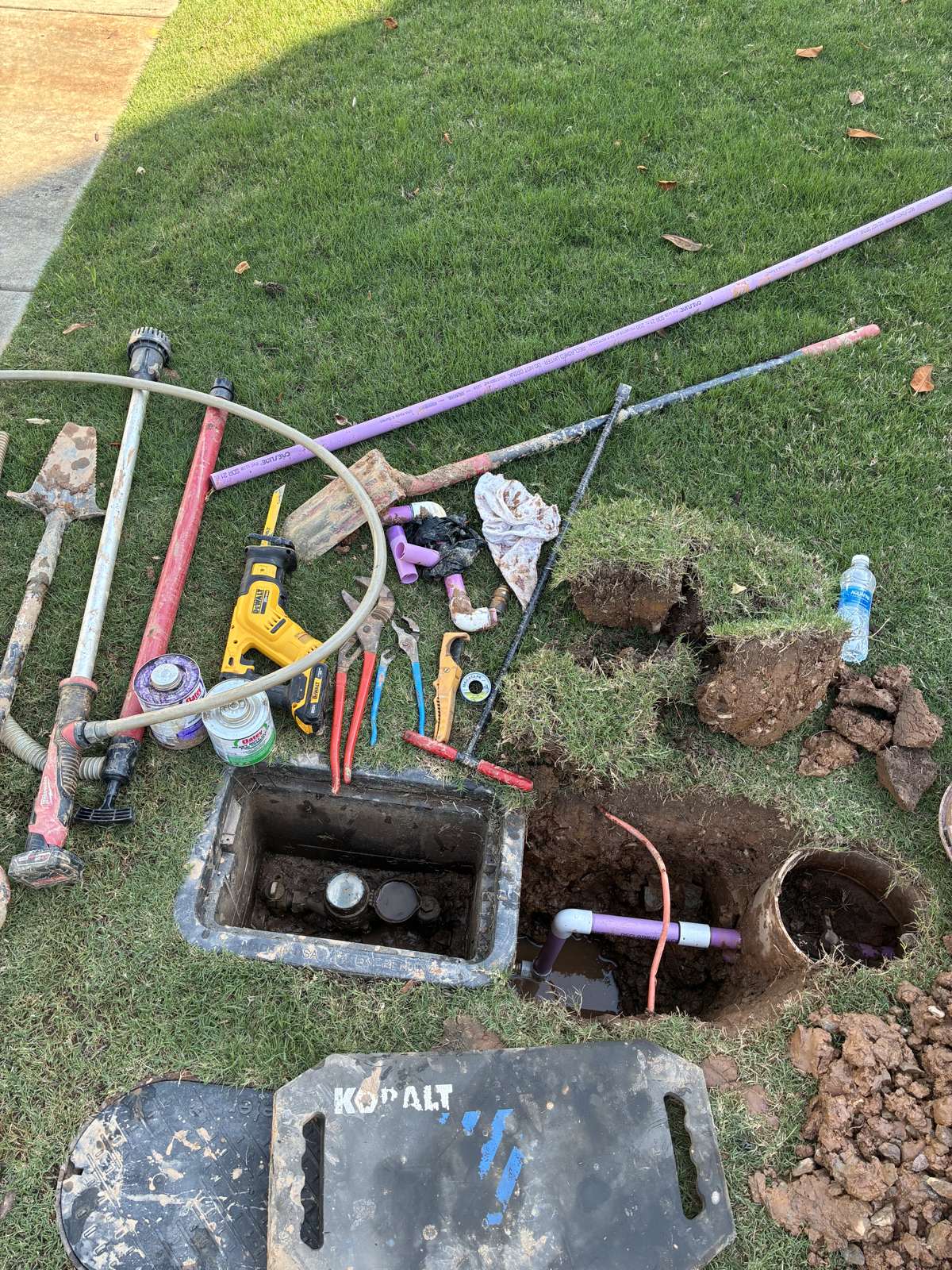
What our Triangle neighbors say




Why homeowners choose us
Placement over product
The best sensor mounted badly is worse than a basic one mounted properly. We spend the time finding the right spot, because that is the whole job.
It gets tested in front of you
We trip it and show you the controller responding. You should never have to wonder over the summer whether it is actually doing anything.
Honest about the payback
A sensor is a genuinely good return on a Triangle property, and we would rather tell you that straight than dress it up. Upfront pricing, guaranteed work, 12-month workmanship warranty.
Rain sensor installation in Cary, Raleigh & the whole Triangle
We install and replace rain and soil-moisture sensors across the Triangle, on new and existing controllers alike. Choose your town for local details: Cary · Raleigh · Apex · Morrisville · Holly Springs · Fuquay-Varina.
Related services we handle on the same visit: smart controller installation · controller programming · irrigation maintenance.
Rain sensor installation FAQ
Will a rain sensor work with my existing controller?
Almost certainly. Nearly every controller made in the last twenty years has a sensor input, usually with a jumper wire across the terminals from the factory. Removing that jumper and landing the sensor is the whole electrical job.
How much water does a rain sensor actually save?
On a Triangle property, a meaningful amount — our summer rain arrives in heavy bursts, and a system with no sensor waters straight through them and again the next morning. It is one of the cheapest components on the system and one of the few that pays for itself.
Where should the sensor be mounted?
Somewhere with open sky that dries at the same rate as the lawn. Under an eave it stays dry and never trips; below a gutter it trips on heavy dew and leaves the system off for days. Both mistakes are common.
What is the difference between a rain sensor and a soil moisture sensor?
A rain sensor reacts to rainfall as it happens. A soil moisture sensor measures what is actually in the ground, which is more accurate and more useful in clay, though it costs more and needs correct burial depth.
Do you install rain sensors near me?
If you are in Cary, Raleigh, Apex, Morrisville, Holly Springs, Fuquay-Varina or anywhere in Wake County, we cover your area. Call or text 919-341-9644.
Get your free quote
Tell us what’s going on and we’ll get right back to you — usually the same day. Prefer to talk? Call or text 919-341-9644.
- Local, licensed & insured
- Upfront pricing — no surprises
- 100% guarantee + 12-month workmanship warranty
Stop watering in the rain
A small component, placed properly and tested in front of you. Call or text 919-341-9644.