Commercial & HOA Irrigation in Cary, Raleigh & the Triangle
Irrigation repair, maintenance, and installation for HOAs, property managers, and multi-property portfolios across the Triangle — with one accountable point of contact.
Bigger systems, one point of accountability
Commercial and HOA irrigation is a different animal: larger systems, more zones, tighter budgets, and a board or property manager who needs to know the water bill is under control and the common areas look sharp. We handle the whole thing — repair, scheduled maintenance, and new installs — as one accountable contact, not a rotating crew.
Because we know Triangle water rules and backflow compliance cold, we keep multi-property portfolios in good standing and their water costs down. Clear reporting, responsive service, and one number to call when something’s wrong.
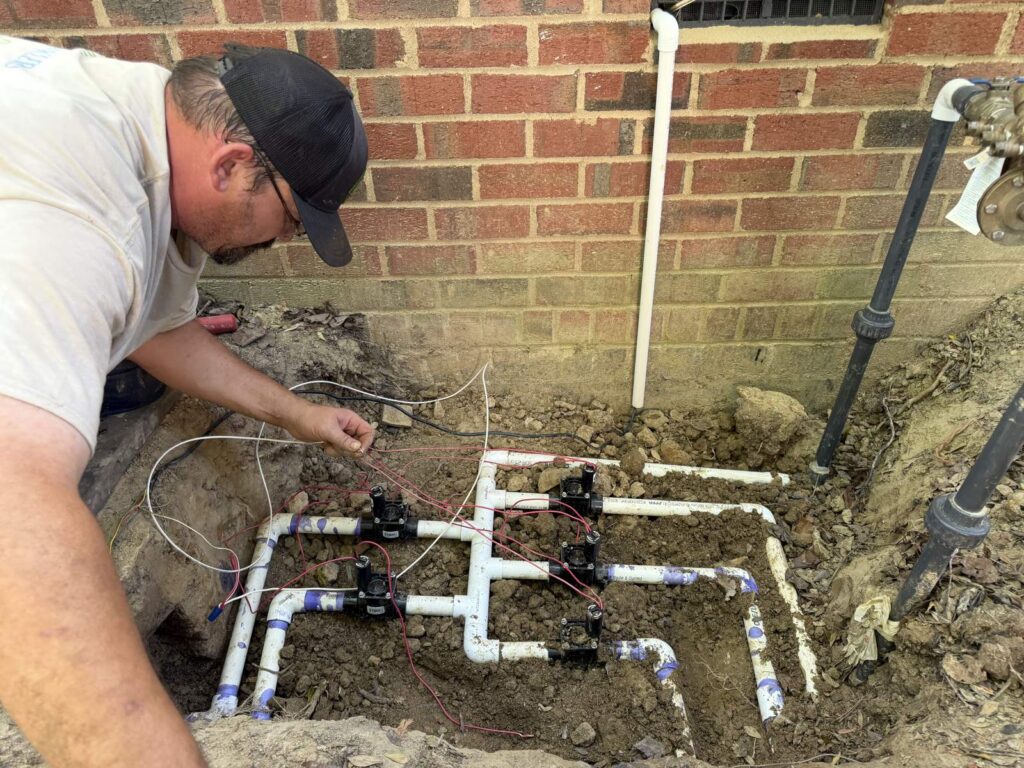
Commercial & HOA services
Repair, maintenance, install, and water management at scale.
HOA & multi-property irrigation
One contact managing repair and maintenance across all your properties and common areas.
Commercial irrigation repair
Fast diagnosis and repair on large systems to keep grounds green and on budget.
Commercial installation
New and expanded systems designed for large or phased commercial sites.
Large-system maintenance
Scheduled inspections and tune-ups that prevent failures and control water spend.
Water management & cost control
Smart controllers, pressure regulation, and audits that bring the water bill down.
Backflow & compliance
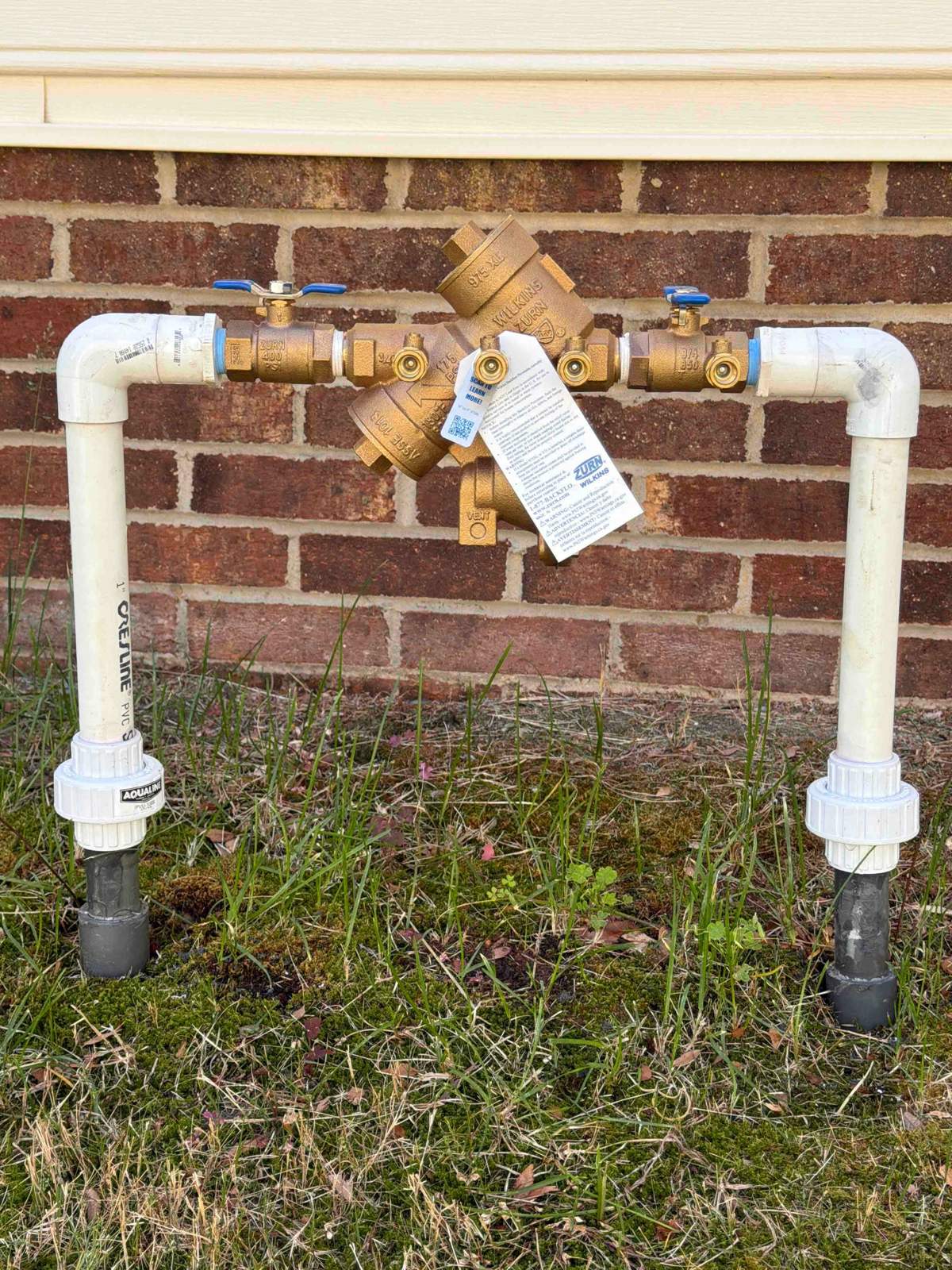
Annual commercial backflow testing and repair, with filing handled.
Commercial & community services
Property managers and boards get their own pages with the full detail.
Choose your town
Every town has its own page, written for local water rules and conditions. All six core towns are live.
Cary, NC
Raleigh, NC
Apex, NC
Morrisville, NC
Holly Springs, NC
Fuquay-Varina, NC
Why property managers choose us
One accountable contact
No call center — one local number and one team responsible for your portfolio.
Cost control
Audits, smart controllers, and pressure regulation that cut water spend.
Compliance handled
Backflow and town rules tracked and filed so nothing lapses.
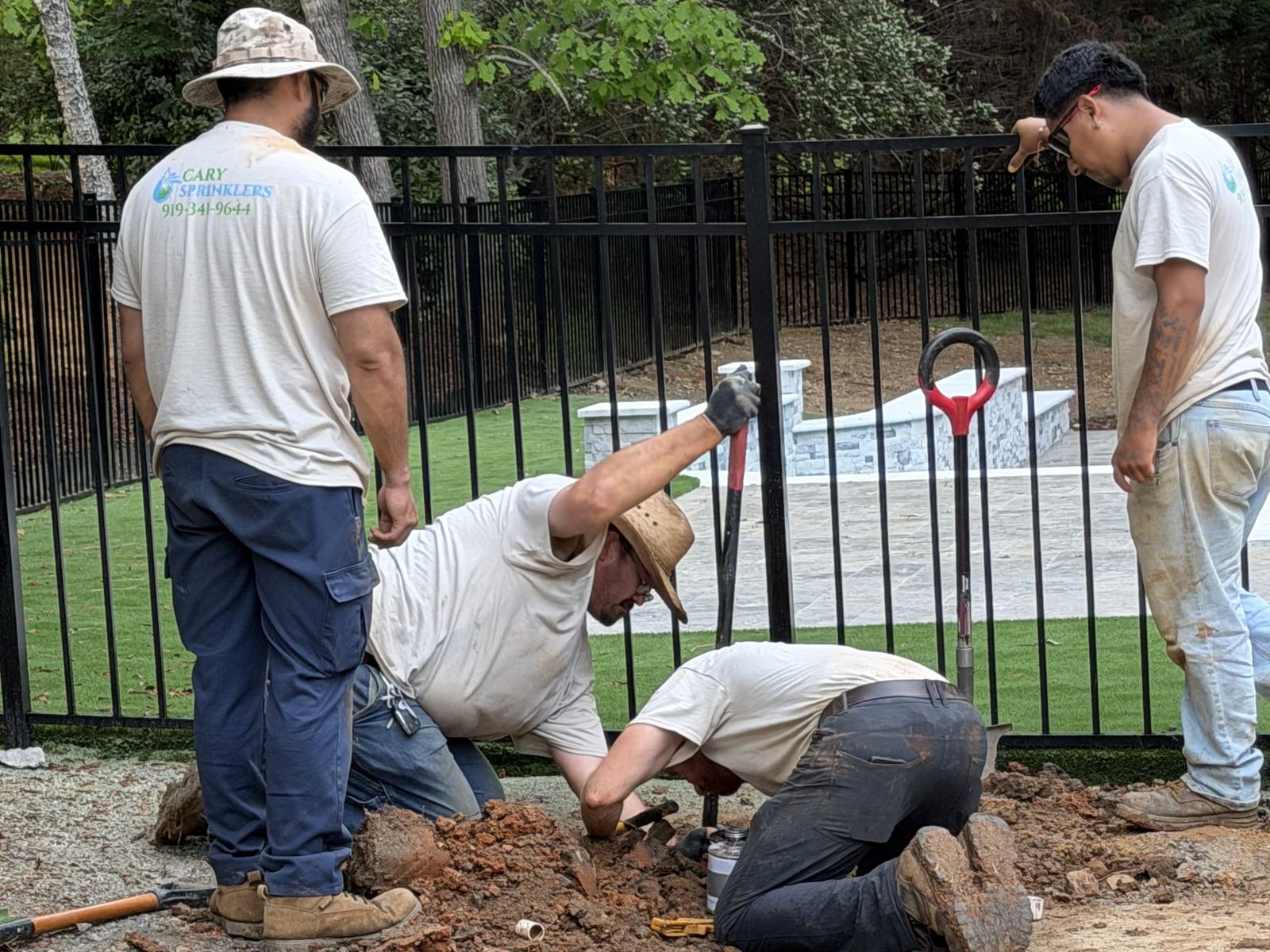
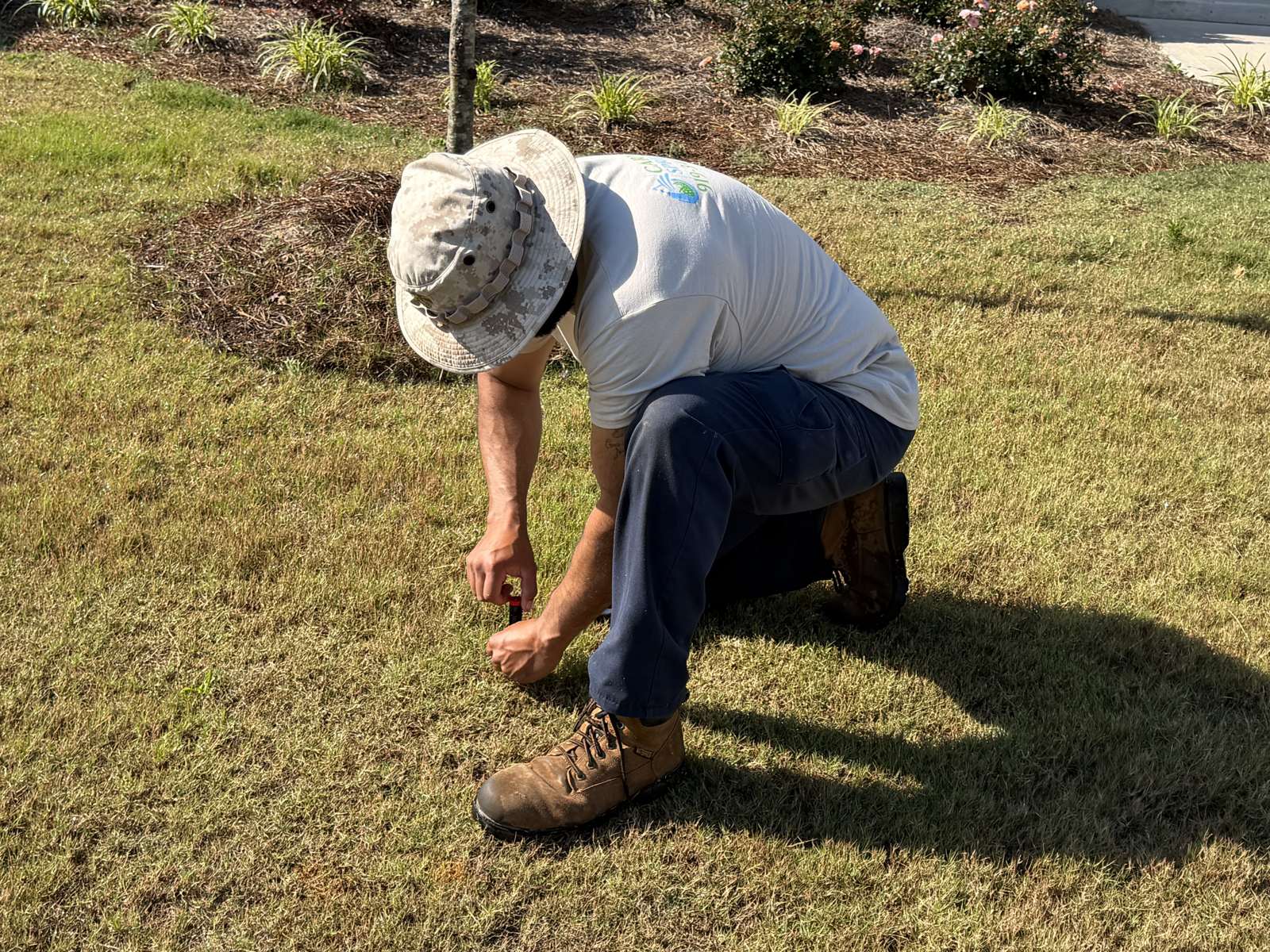
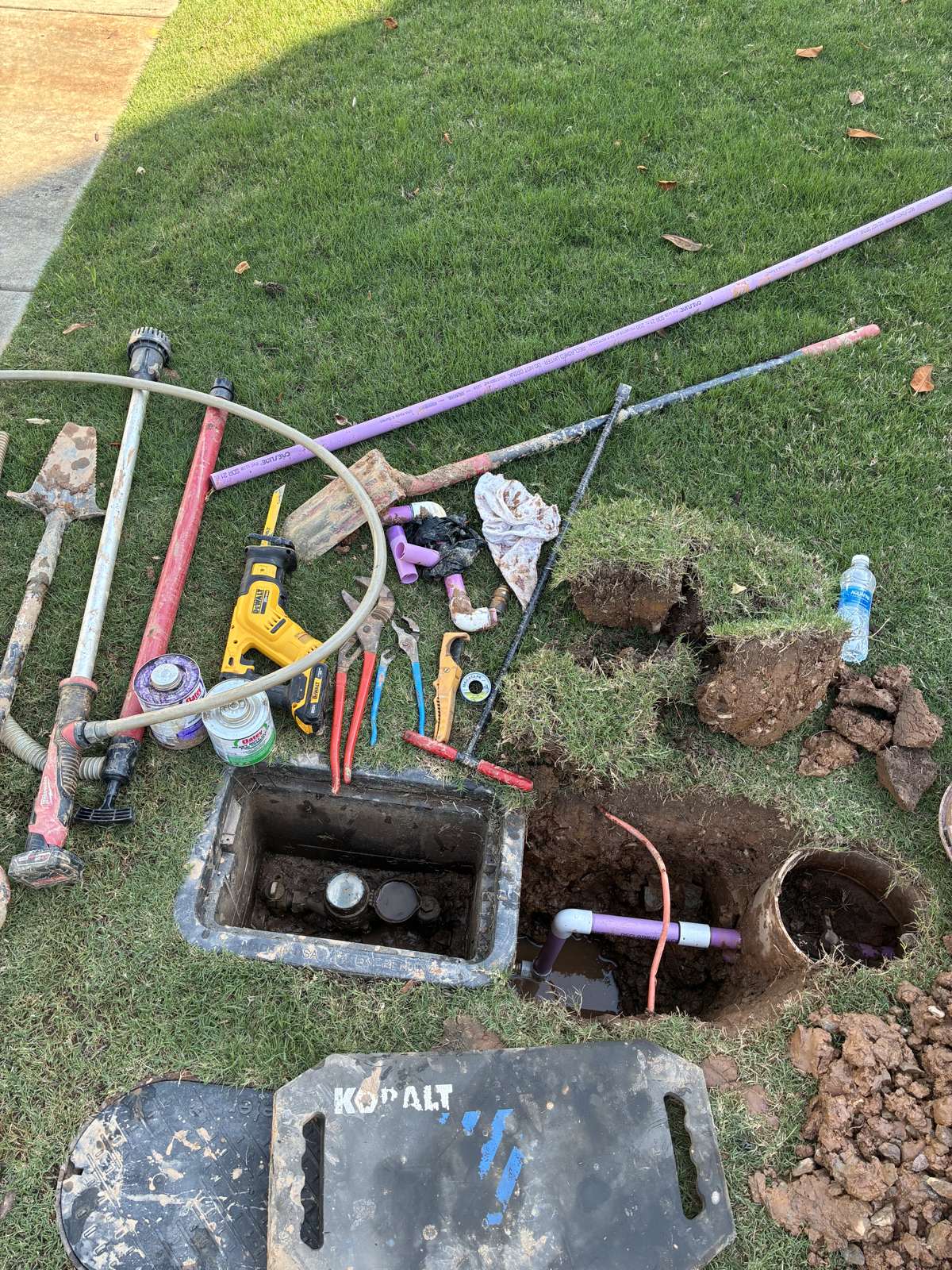
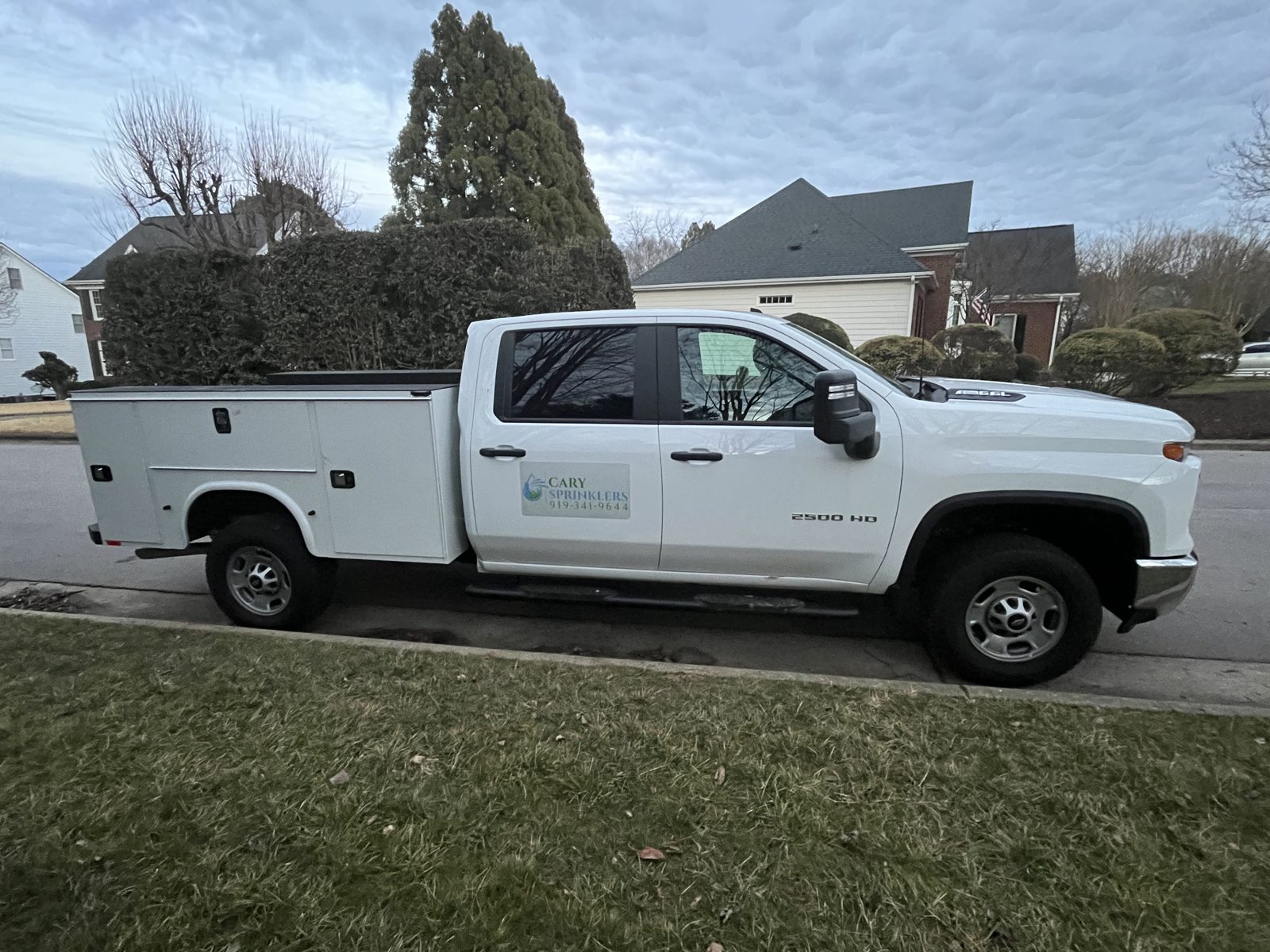
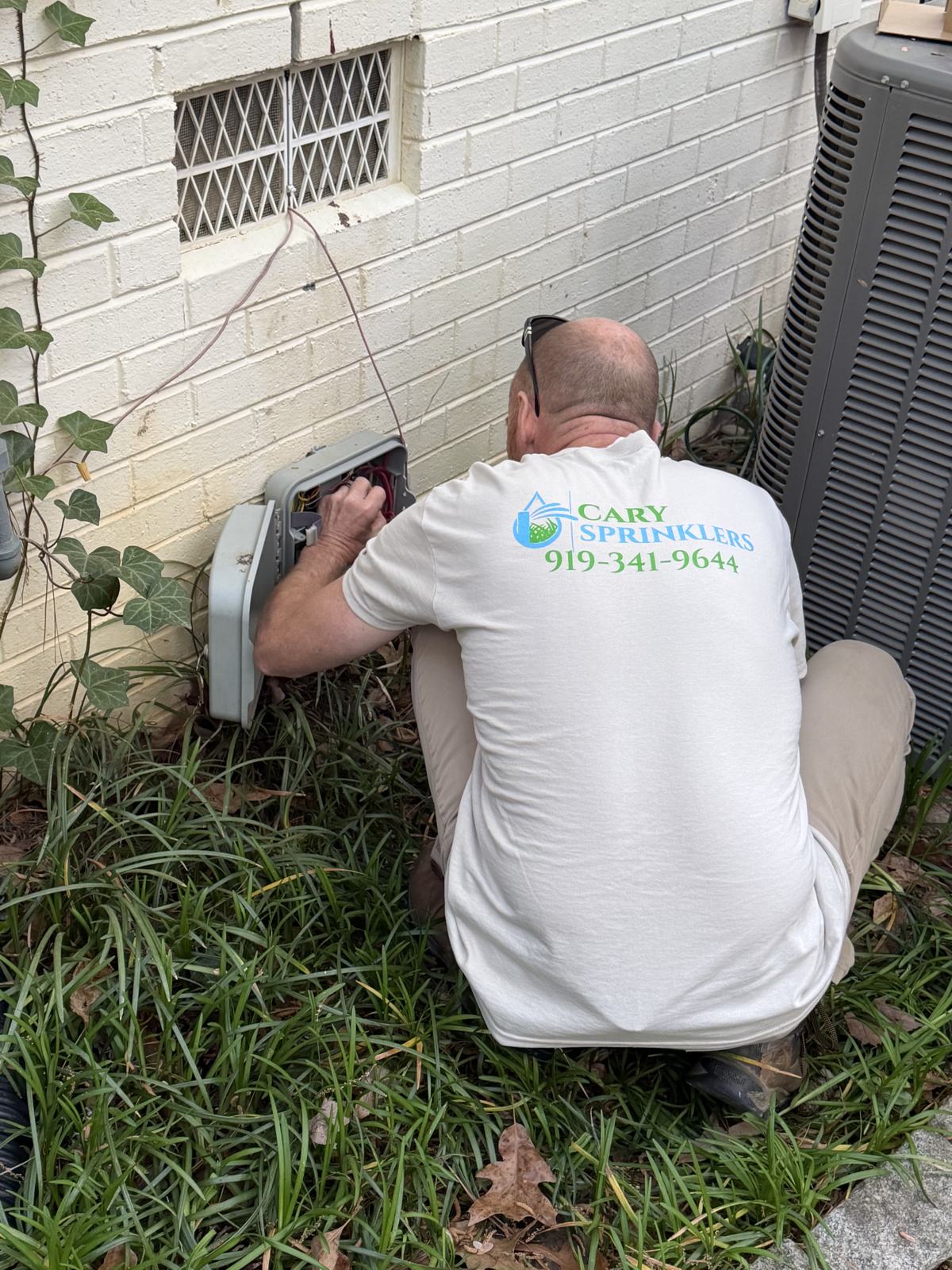
Recent work around the Triangle
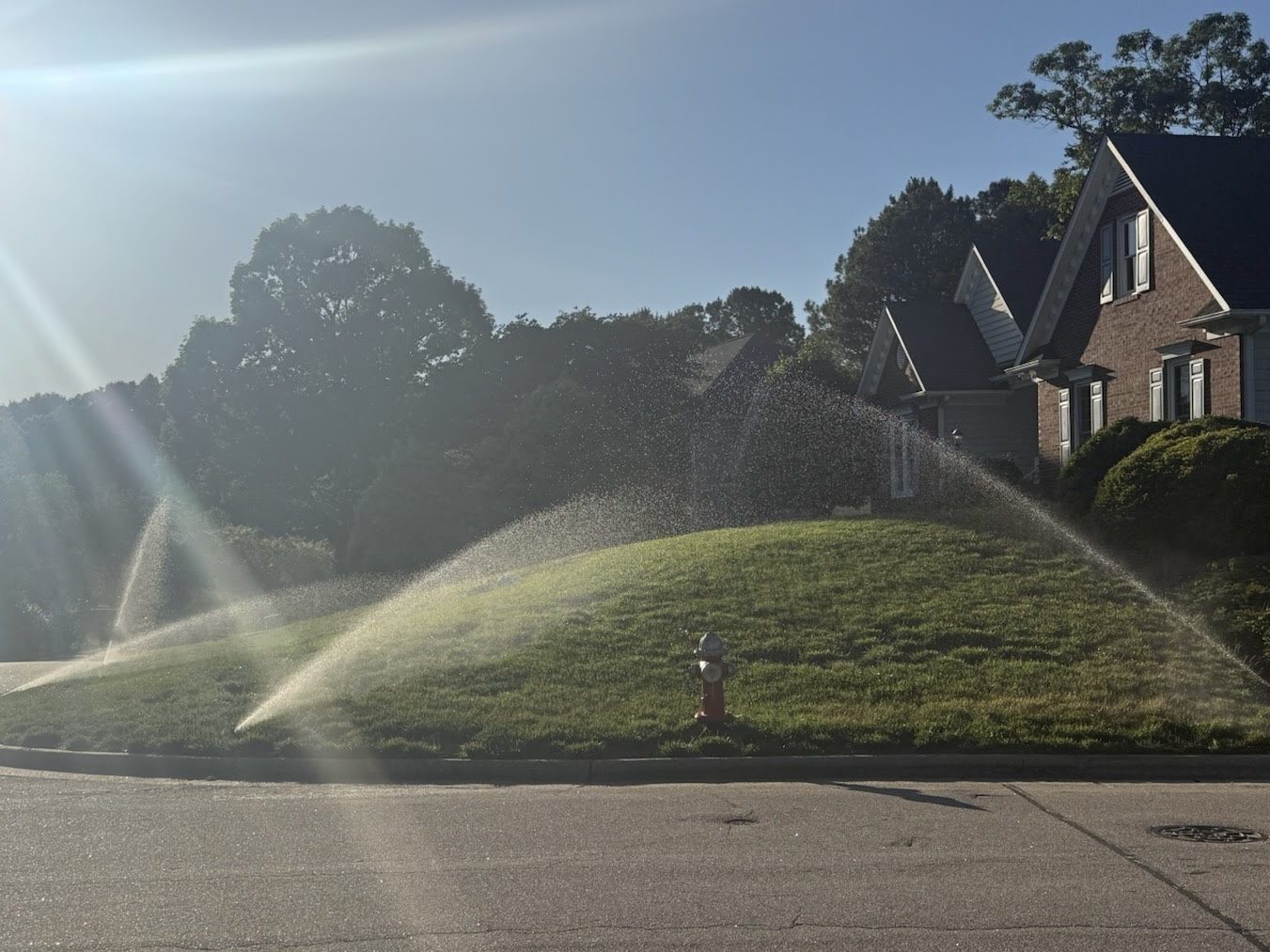
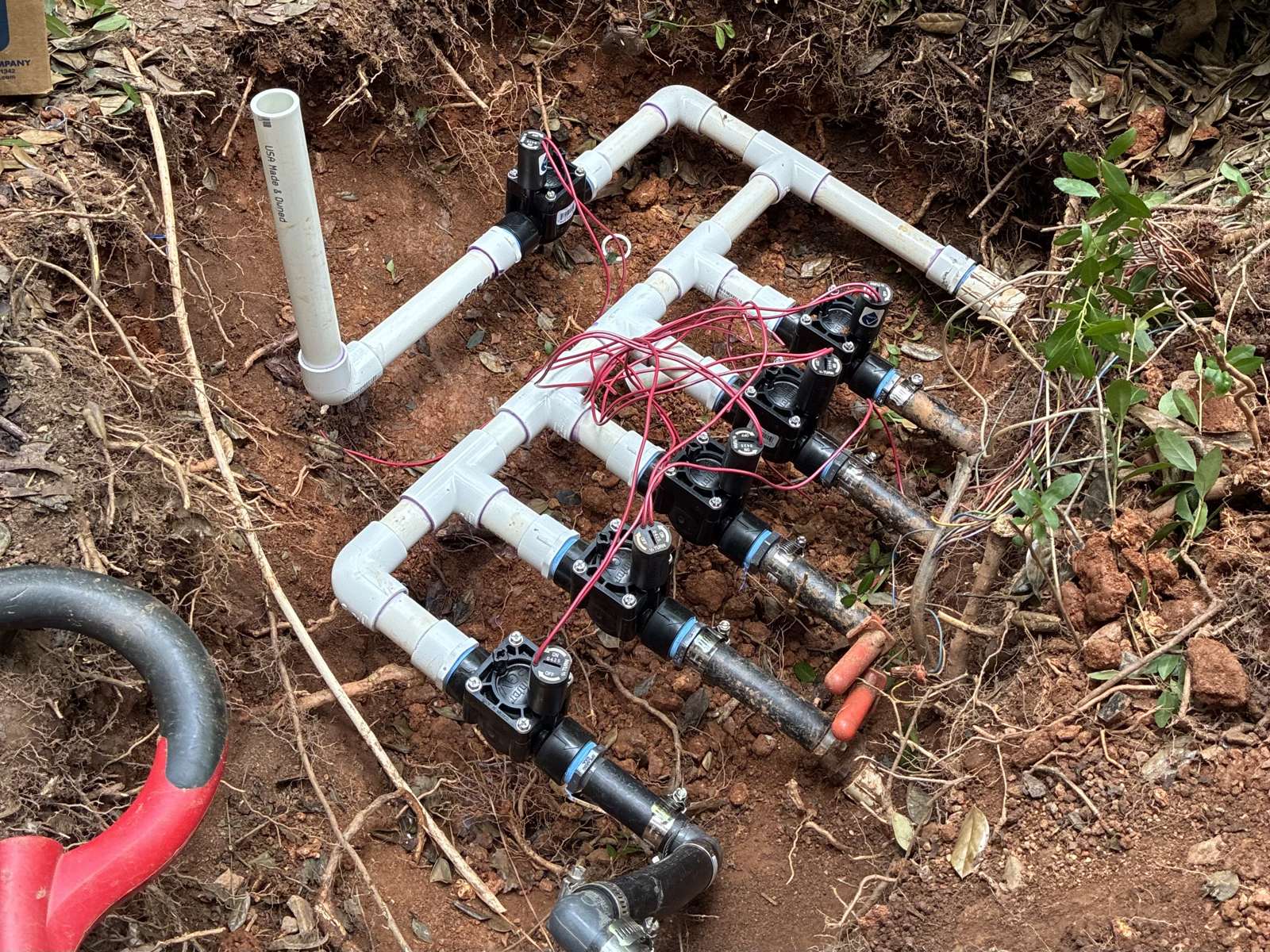
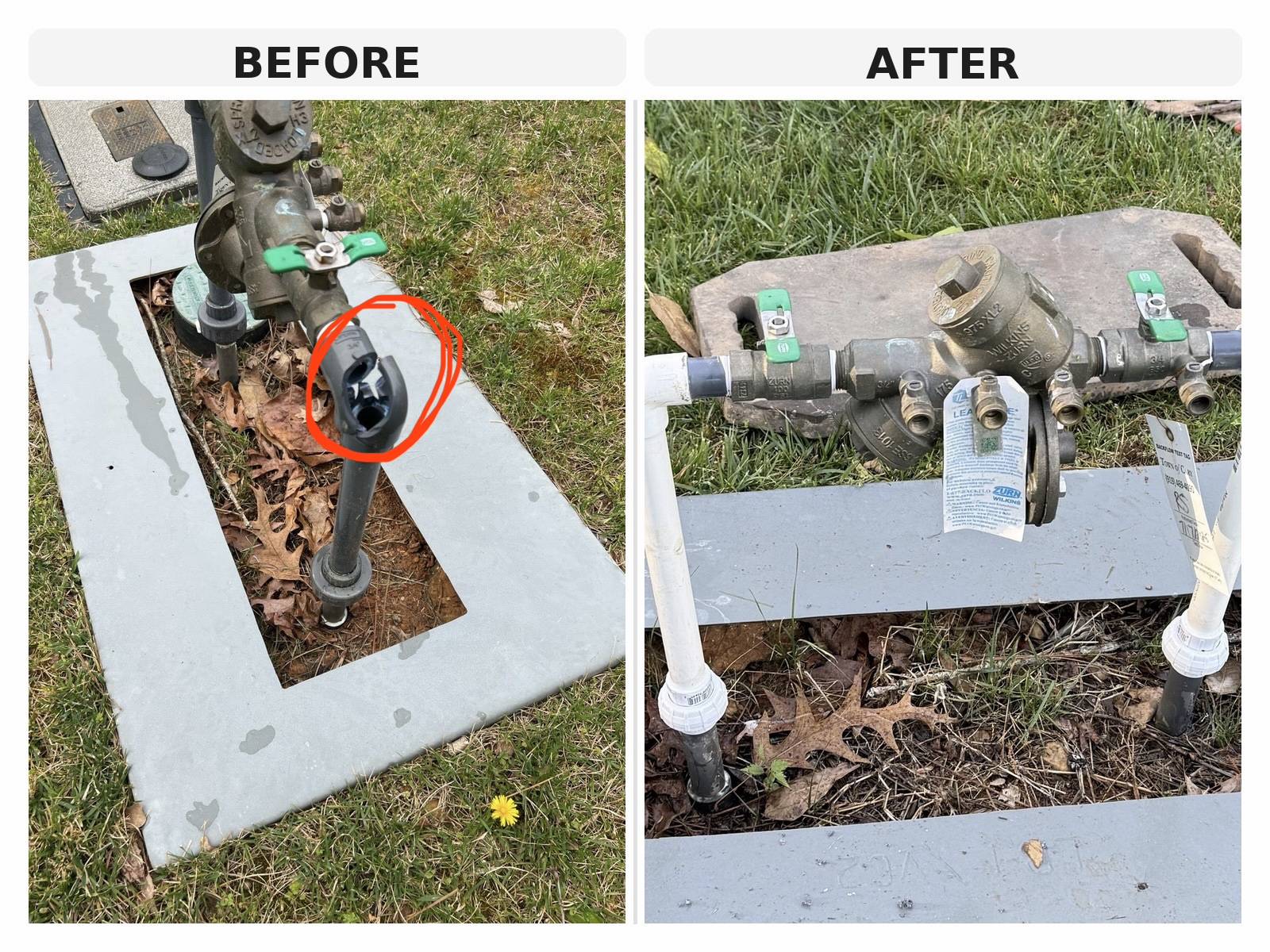
What our Triangle neighbors say




Where the association’s responsibility stops and an owner’s begins
In a townhome or condo community, the line between association property and owner property is almost never where the irrigation line is. An association typically maintains entrances, medians, the amenity area, and turf between buildings, while an owner may be responsible for a fenced rear yard or a patio bed. The pipe underneath respects none of it. One mainline and one controller frequently serve both sides, an owner’s spigot sometimes feeds a common-area zone, and somewhere in most communities a resident has tapped their own bed into a community valve.
Then a head breaks and nobody can say whose it is. Boards turn over, records don’t transfer, and a new manager inherits a system with no documentation.
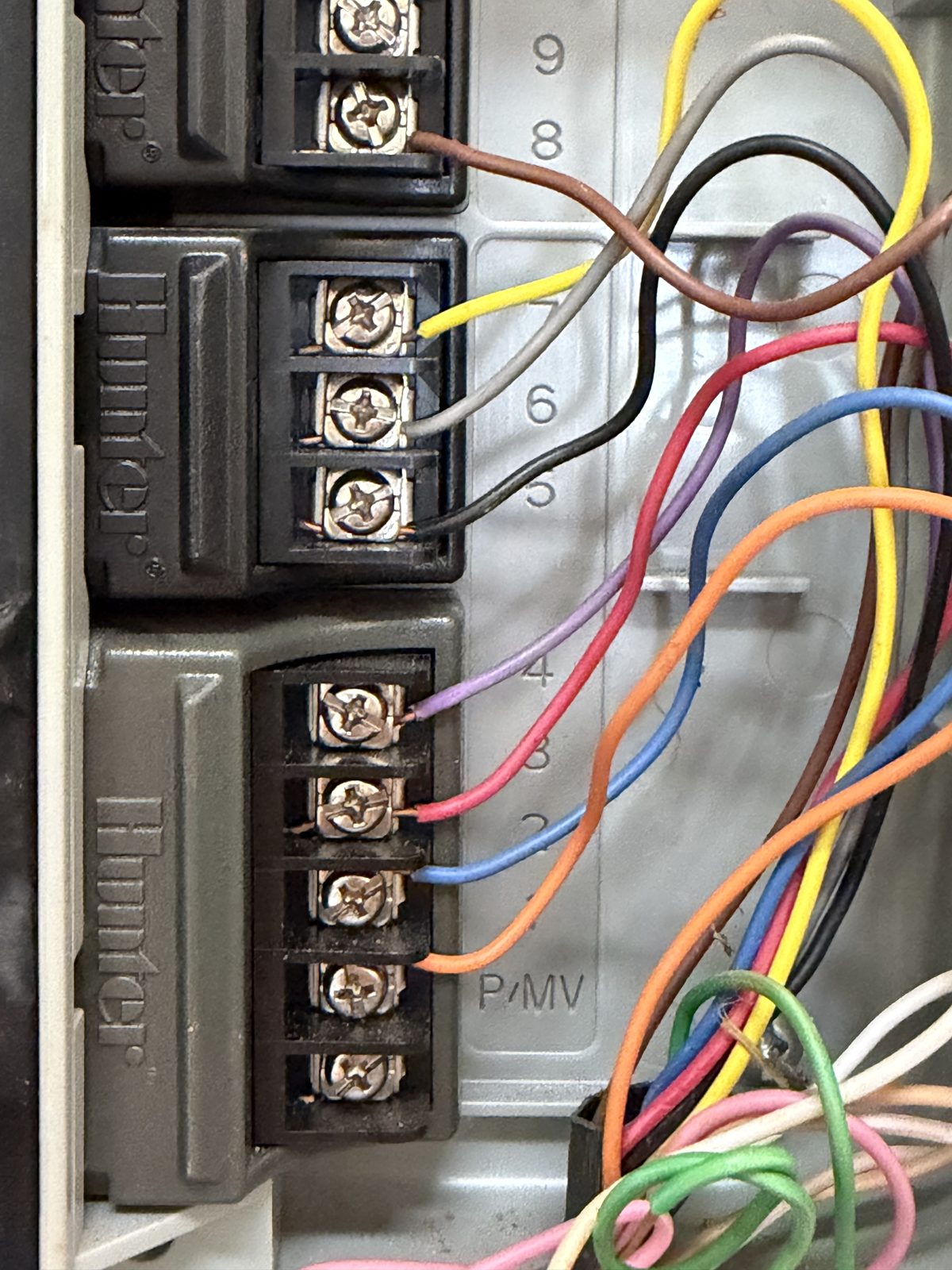
The first thing we do on a community site is map it. Every zone gets walked and matched to a controller station number, every valve box located, and we note which meter feeds which zone. What a manager ends up holding is a document to point at when a homeowner calls: this station, this meter, association side or owner side. It settles arguments before they reach a board meeting and makes later repairs faster to dispatch.
Annual testing, not the three-year residential cycle
A homeowner’s backflow preventer runs on a three-year testing cycle in North Carolina under Senate Bill 166, moving to annual only where a booster pump or a chemical feed is on the line. Commercial assemblies get no such grace. On the commercial side it’s every year, and the particulars vary by jurisdiction: Raleigh Water requires a City-certified tester, Fuquay-Varina tracks its testing through BSI Online, Holly Springs runs its own Town program, and Cary permits systems to Town design standards, expecting a working assembly on each.
For a single building that’s one date to remember. For a portfolio it isn’t. A dozen properties can carry twenty-odd assemblies with as many anniversary dates spread across four jurisdictions, each reporting somewhere different, and a lapse doesn’t produce a polite reminder. It produces a notice, and eventually a shutoff on a property with tenants in it.
We keep that calendar. Every assembly on your account is logged with location, size, jurisdiction, and due date; we test ahead of the deadline, rebuild or replace whatever fails, and file with the correct utility. Our backflow testing page covers the test itself. You get one report showing every property clear.
Working around tenants, customers, and the mowing crew
On an occupied property, scheduling is half the job. A retail center can’t have a zone throwing across the sidewalk at eleven on a Saturday — wet walkways are a liability claim waiting to happen, and nobody returns to a store that soaked their groceries. Office parks need the water off and the pavement drying before the first cars arrive. Multifamily runs earliest of all, because residents start leaving at six.
Mowing day drives the rest. Turf cut wet ruts under the deck and leaves clumps across the lawn, so zones need to be off the night before a crew arrives rather than the morning of. Crews are also the leading cause of broken heads on a commercial site, so we’d rather inspect the day after they mow than the day before.
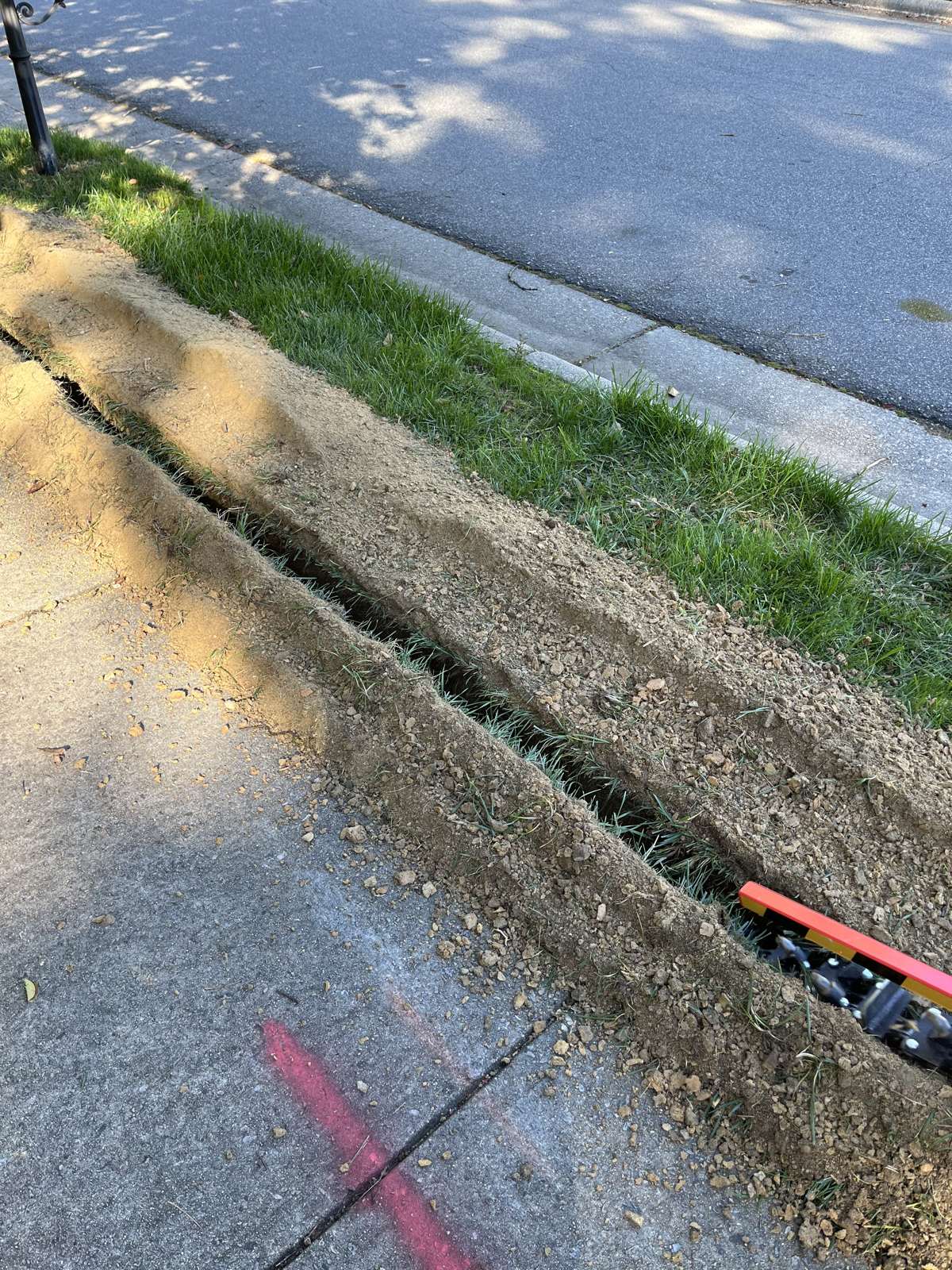
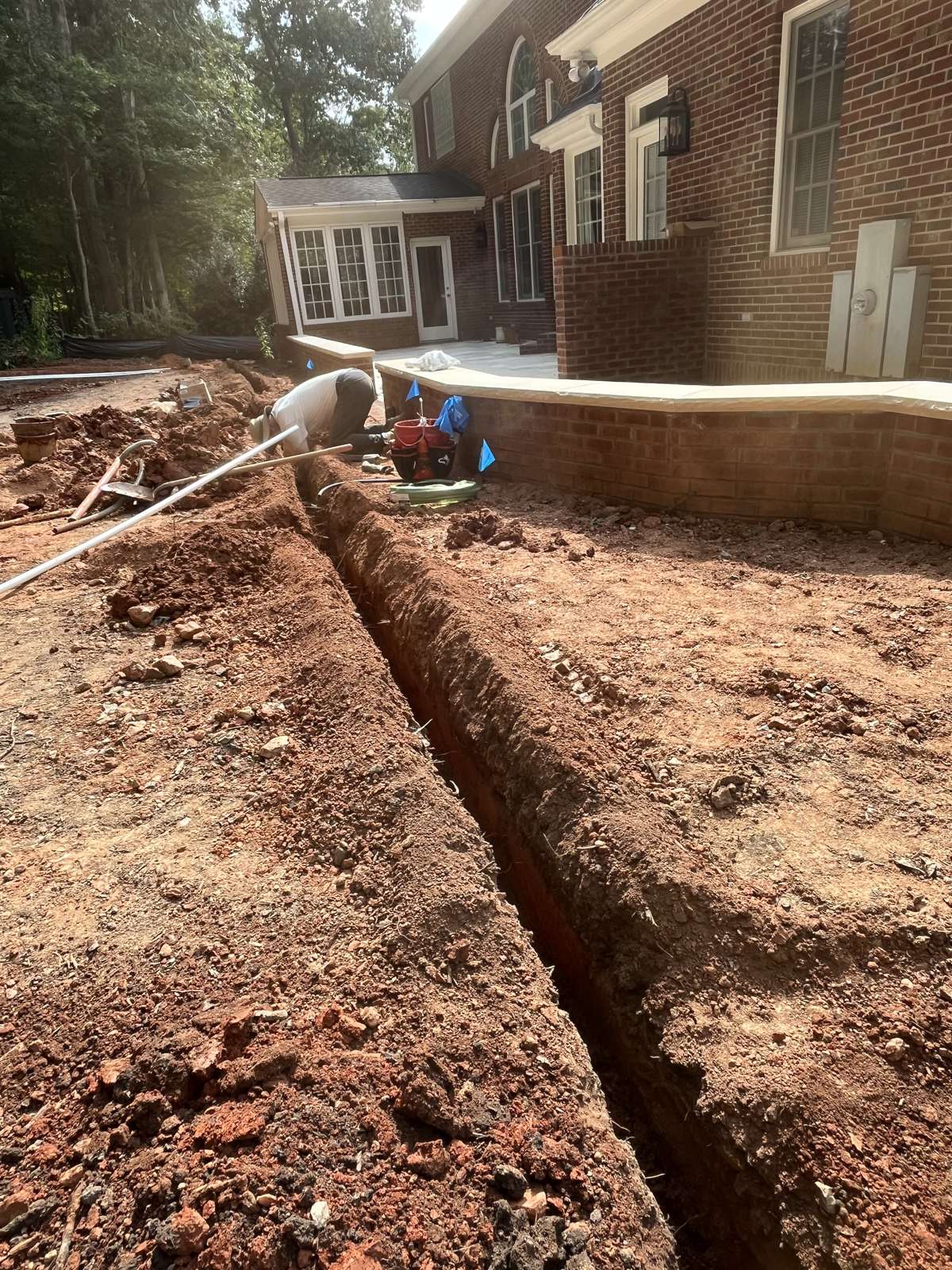
Repair work follows the same constraints. Trenching beside an occupied storefront happens early, coned and signed, backfilled and swept before doors open. Where a separate landscape maintenance company works the property, we coordinate with them directly instead of routing it through you — refereeing two contractors to get a valve replaced isn’t your job.
Meters, pressure, and what a large site costs to water
Two line items decide what a big site spends. The first is the meter. Water put on landscape never reaches the sewer, but a domestic meter bills you as though it did, and on a property irrigating several acres the sewer portion can outrun the water itself. Holly Springs offers a separate irrigation-only meter that strips that charge out, and parts of Cary and Morrisville sit on reclaimed purple-pipe service, which is exempt from the alternate-day restriction — more available nights means fewer zones crammed into each window.
The second is pressure, and it’s where large sites waste water quietly. Static pressure at the point of connection tells you nothing about what a zone four hundred feet out and twenty feet uphill is seeing. Too little and rotors close into donuts with dry centers. Too much and spray heads atomize, and fine mist drifts off the property instead of landing on it. Pressure-regulated heads plus regulation at the valve address both ends.
Zone count follows available flow. When sixty zones share one meter the nightly window is what it is, and when it won’t fit the permitted hours the answer is re-zoning, not longer nights.
Commercial & HOA FAQ
Do you handle multiple properties under one account?
Yes — HOAs, property managers, and portfolios get one contact managing repair and maintenance across every site.
Can you help lower our water costs?
That’s a core part of commercial work — audits, smart controllers, and pressure regulation that right-size water use across large systems.
Do you provide reporting for our board or manager?
Yes — clear documentation of work, findings, and recommendations for boards and property managers.
Do you handle commercial backflow compliance?
Yes — annual commercial testing, repair, and filing to keep every property in good standing.
Managing irrigation across properties?
Get one accountable local team for your HOA or commercial portfolio. Let’s talk.
Get your free commercial irrigation quote
Tell us what’s going on and we’ll get right back to you — usually the same day. Prefer to talk? Call or text 919-341-9644.
- Local, licensed & insured
- Upfront pricing — no surprises
- 100% guarantee + 12-month workmanship warranty